
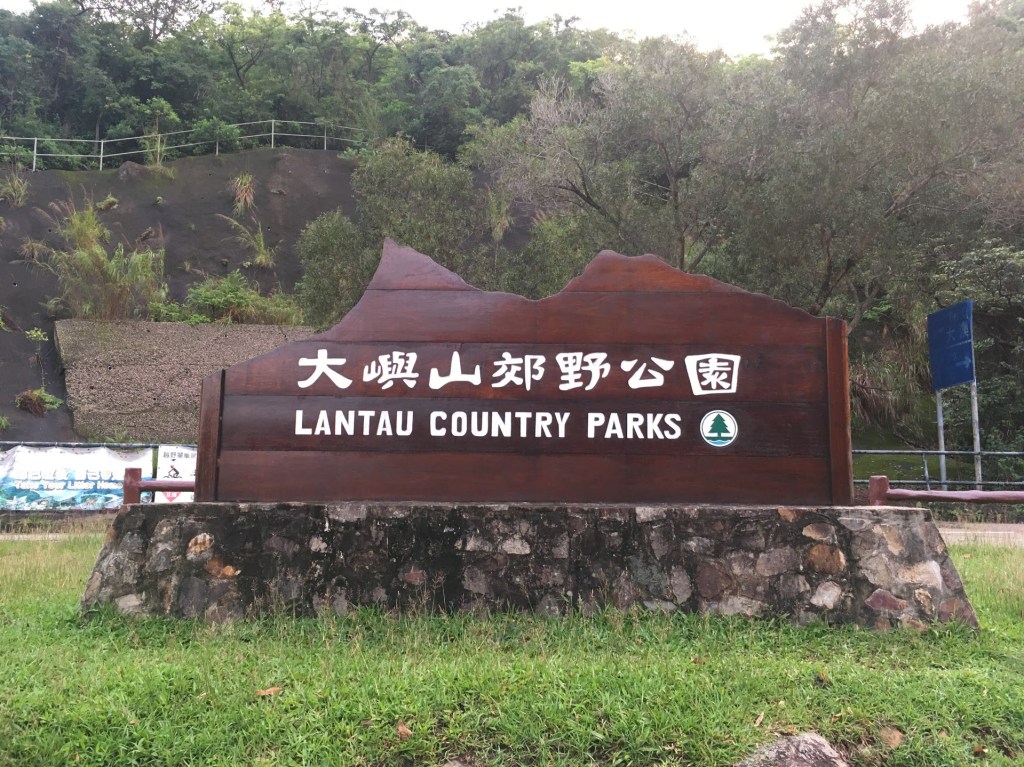
Lantau South Country Park, nestled in the heart of Hong Kong’s largest island, Lantau, invites you to explore the wonders of nature in the largest country park in Hong Kong. Covering an impressive 146 square kilometers, Lantau Island is a haven for nature lovers, with 80% of its land thoughtfully preserved and managed as country parks.
Immerse yourself in the tranquility of Lantau South Country Park, a testament to Hong Kong’s dedication to environmental preservation. This country park is a must-visit destination for those seeking a refreshing escape from the urban hustle and bustle, offering a unique blend of natural beauty and outdoor recreation.
- Features and Specialty:
- Attractions:
- Hiking Trails:
- Recommended Campsites:
- Lithosphere / Hydrosphere / Biosphere:
- Entry/Exit Points and Transportation:
Features and Specialty:
Lantau South Country Park, the largest country park in Hong Kong, covers an expansive area of 56.4 square kilometers on the southern side of Lantau Island. The park is a haven of natural beauty, characterized by rolling slopes, verdant greenery, and a network of waterways that paint a picture of a pristine landscape. Adding to its charm are historical village paths, some of which date back centuries, that crisscross the park, beckoning hikers to explore and discover the park’s many wonders.

Attractions:
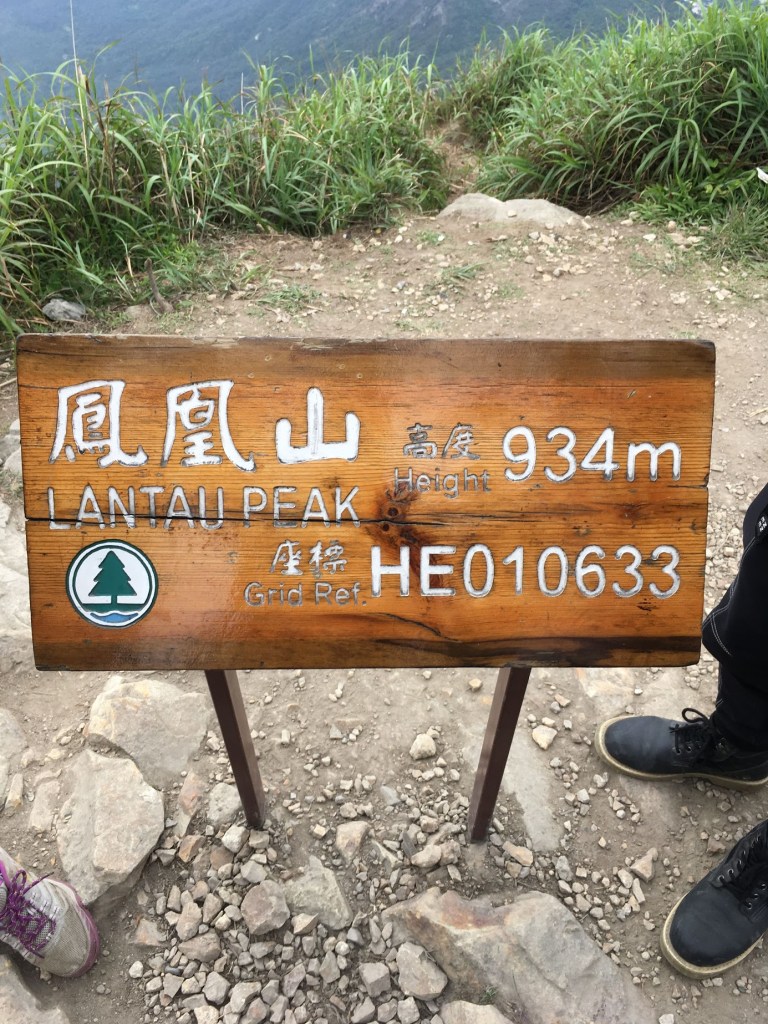
Lantau Peak (Fung Wong Shan): At 934 meters (about 3,064 feet), it’s the highest peak in the park. Adventurous souls ascend before dawn to witness the famous Lantau Peak sunrise—a celestial spectacle etched in memory.
- Shek Pik Reservoir is a notable landmark. Built between 1957 and 1963, it boasts a storage capacity of 24 million cubic meters, ranking it as the third-largest reservoir in Hong Kong. The reservoir is a key feature of the Lantau South Country Park and was instrumental in mitigating water scarcity issues during a period of rapid population growth.

The reservoir is flanked by Kau Nga Ling to the east, Keung Shan to the west, and Muk Yue Shan and Sz Tsz Tau Shan to the north. It also serves as a significant water source for the Tung Chung River. For those who enjoy outdoor activities, the Shek Pik Country Trail offers a scenic hiking route that stretches from Ngong Ping to the Shek Pik Reservoir.
- Fan Lau Fort is a historical monument on Lantau Island, Hong Kong, built in 1729 during the Yongzheng Emperor’s reign. It served as a defence against pirates, protecting the passage between the island and the Pearl River estuary. The fort, rectangular in shape and made of semi-dressed stone and green bricks, was likely abandoned around 1898 when the New Territories were leased to Britain. Positioned on a cliff at an elevation of 116 metres, it offers panoramic sea views. Today, it stands as a declared monument of Hong Kong, having undergone restoration in the early 1980s and 1990s. The term “Fan Lau” translates to “separating water flows” in Cantonese, referring to the strategic location of the fort on the Lantau Channel.

Hiking Trails:
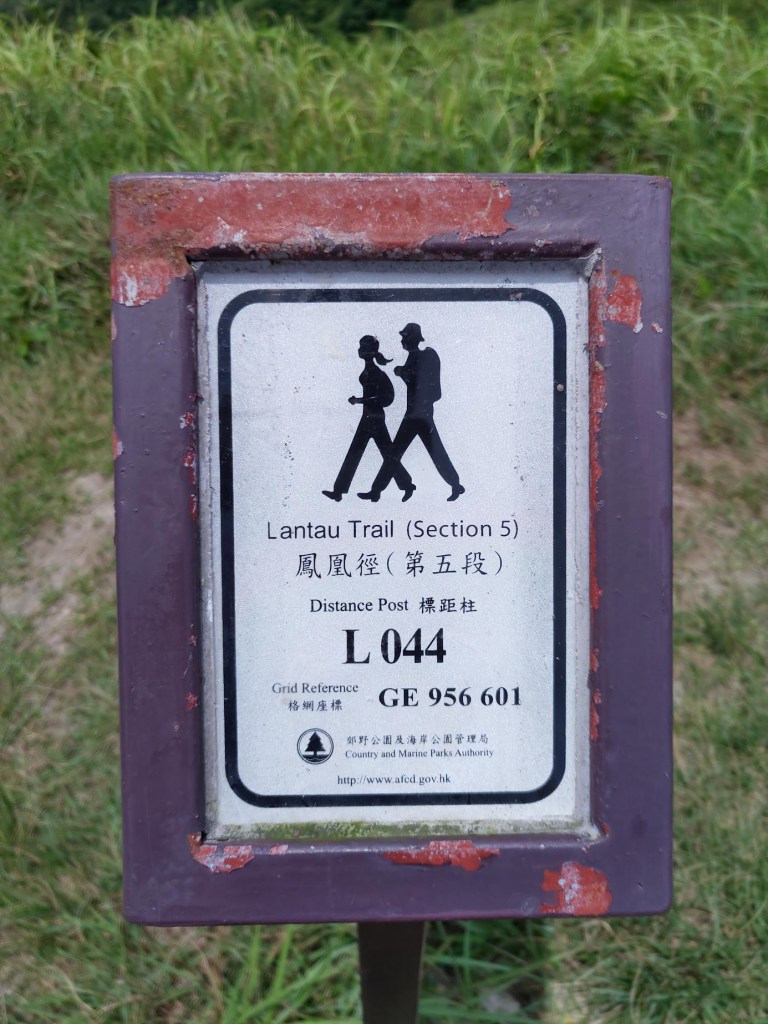
The Lantau Trail is a 70-kilometer long-distance footpath located on Lantau Island in Hong Kong. It’s the third-longest trail in the region and is a loop starting and ending in Mui Wo. The trail is divided into 12 stages, each offering unique landscapes and challenges. It passes through Lantau Peak and Sunset Peak, offering stunning views, and also includes landmarks like the Big Buddha Statue and Tai O fishing village. The trail is well-marked with information boards, maps, and distance posts, making it a rewarding experience for both seasoned hikers and beginners.
Recommended Campsites:
Lantau Island is home to several government-managed campsites. One of them is the Ngong Ping Campsite, nestled in the tranquil environment of Ngong Ping in Lantau South Country Park. It’s well-equipped with various amenities including benches, cooking places, tables, and camping platforms.

Another notable campsite is the Nam Shan Campsite, located on South Lantau Road. This campsite is also set amidst a peaceful valley and woodland, offering convenient transportation. It boasts facilities such as a pavilion, barbeque pits, benches and tables, cloth lines, cooking places, camping platforms, and bathrooms.

Please remember that the status and conditions of these campsites may vary, so it’s recommended to check the most recent information before you plan your camping trip.
Lithosphere / Hydrosphere / Biosphere:
Lithosphere: Lantau Island in Hong Kong is like a big rocky cake made up of different layers. The main part of this “cake” is made from something called the Lantau Volcanic Group. This is like the sponge of the cake and is made from really old lava and ash.
In some parts of the island, this “sponge” sits on top of other older rocks. The whole thing is really thick, more than 1700 meters in some places. There are also other types of rocks in the area, including some that were formed from lava and others that were formed deep inside the Earth. Over time, these rocks have broken down to form a layer of soil.
In the north of the island, the “cake” has chunks of different rocks mixed in, like chocolate chips in a cookie. These chunks can be really big, some are even 300 meters across. So, Lantau Island is like a big, interesting rocky cake with lots of different ingredients! It’s a great place for people who are interested in rocks and how they form.
- Hydrosphere: Lantau Island has some really cool water features. One of them is the Yellow Dragon Gorge. It’s a hidden gem on the island with cliffs and waterfalls.
When you explore the gorge, you’ll be walking upstream, hopping from one rock to another, and going around waterfalls. There are also lots of natural pools where you can take a dip. The trek is a bit challenging, so you’ll need to be agile.
Another cool water feature is the Wong Lung Hang Stream. It’s another great place for an adventure.
- Biosphere:
Meet the Locals: Encounter the friendly wild cows and water buffalos of Lantau Island. Once farm animals, these gentle giants now roam freely and are a charming sight for visitors.
Bird-Watching and More: Keep your eyes peeled for the vibrant White-throated Kingfishers and marvel at the fascinating Fireworms and Lion’s Mane Jellyfish.
Dolphin Spotting: Don’t miss the chance to see the adorable Chinese White Dolphins, also known as pink dolphins for their unique color. Join a tour with Hong Kong Dolphinwatch for an unforgettable experience[4].
Frog Finding: Listen for the call of the Romer’s Tree Frog, a small native frog that’s a special part of the island’s ecosystem.
Ant-ventures: Discover the tiny world of ants on Lantau Island. You might even spot the Strumigenys lantaui, a new species named after the island itself.
Lantau Island is a paradise for nature lovers. Come and immerse yourself in its rich biodiversity. Remember, every visit is a step towards supporting conservation efforts on the island.
Entry/Exit Points and Transportation:
- Mui Wo, Tung Chung, and Tai O serve as entry points to Lantau South. These settlements have evolved into new towns.
- Transportation: Ferries from Central, buses from Tung Chung, and the Ngong Ping 360 cable car connect Lantau South to the rest of Hong Kong.
Pack your essentials—windbreaker, water, and wonder—as you embark on this nature-filled adventure. Lantau South awaits, ready to whisper its secrets to those who listen.

 Eco Adventure Hong Kong