
Climate
When embarking on any outdoor adventure, the climate, or more specifically, the weather, takes precedence as the most critical factor to consider. This is especially true when you anticipate being in a wilderness setting where you’ll be reliant on your own resources. The prevailing weather conditions will significantly influence your choice of gear, clothing, food, and even the routes you opt to take.
Hong Kong, a city uniquely situated within the subtropical region, straddles both the temperate and tropical zones. This geographical positioning results in a distinct climatic pattern influenced by the monsoon. The city experiences four clearly defined seasons: Spring, which spans from February to April; an extended Summer period from May to September; Autumn, which begins in late September and lasts until early November; and a brief Winter season from December to January. This diverse climate adds a unique dimension to planning and experiencing outdoor activities in Hong Kong.
SUBTROPICAL CLIMATE
Broadly speaking, the climate in the subtropical region bears a closer resemblance to a tropical climate than to a temperate one. The monsoon plays a pivotal role in shaping the weather patterns in this region. During the Summer, the region is influenced by the monsoon winds originating from the South. These winds usher in a period of tropical depression and substantial rainfall, characteristic of a tropical climate.
Conversely, during the brief Winter season, the region experiences the impact of cold air currents from the northern temperate zone. These currents generate a strong prevailing wind, adding a touch of temperate climate characteristics to the otherwise tropical climate of the subtropical region. This unique blend of climatic influences makes the subtropical region a fascinating study in weather patterns and their impacts.
HUMIDITY
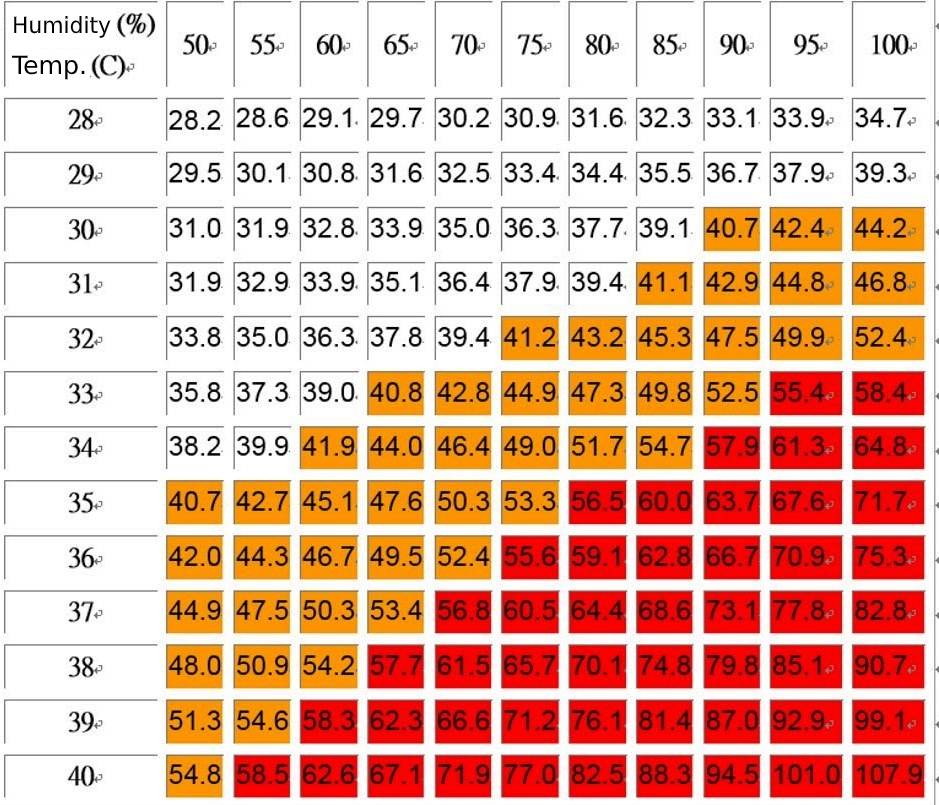
Given that Hong Kong’s climate closely mirrors that of a tropical region, humidity becomes a crucial factor to consider when interpreting weather forecasts and anticipating the “feel” of the temperature. The principle is simple: the higher the humidity, the denser the air, which intensifies the sensation of the temperature on your body.
To put it in simpler terms, high humidity during the summer months can make the heat feel more intense than the actual temperature suggests. Conversely, during the winter, high humidity can make the cold feel more biting than the actual temperature indicates. Considering that the average humidity in Hong Kong hovers around 85%, it’s common to experience a sensation of temperature that is more extreme than the actual temperature. This is an important factor to keep in mind when planning outdoor activities in Hong Kong.
DAYTIME SUNLIGHT
As you may have discerned, the extended Summertime plays a significant role in shaping Hong Kong’s overall climate. Another noteworthy aspect is the abundant daylight during the summer months, with the sun shining for as long as 13 hours a day. This extended daylight is a definite boon when you’re venturing into the wilderness.
The longer daylight hours provide you with ample time to set up your camp, gather firewood, and even allow for greater flexibility in planning your routes. This additional time can be invaluable, allowing you to better prepare and adapt to the challenges of the wilderness, thereby enhancing your outdoor experience. So, when planning your adventure, remember to factor in these extended daylight hours to make the most of your wilderness exploration.
RAINFALL
However, the Summer season also ushers in its share of challenges, primarily in the form of tropical depressions, and in more severe cases, Typhoons or Cyclones. Reports of damages caused by these weather phenomena are almost an annual occurrence. The destruction is not just limited to the high-speed winds that these weather conditions bring, but also the accompanying rainfall.
The heavy downpours often result in mudslides and landslides, which are a common occurrence, particularly in country park areas. These natural disasters can significantly alter the landscape and pose potential hazards for backpackers. Additionally, the copious amounts of rainfall can lead to flooding and overflow in rivers, streams, and water reservoirs. This can disrupt the natural ecosystem and also pose challenges for outdoor activities.
Therefore, while planning your outdoor adventure during the Summer months, it’s crucial to stay updated with the weather forecasts and be prepared for these potential challenges. This will ensure a safe and enjoyable backpacking experience.
Indeed, every aspect of the climate presents both opportunities and challenges when planning your trip. To conclude, here are some key considerations regarding the climate factor for your trip planning:
- Your gear must be waterproof and highly breathable
- Your clothing must be dry quickly with sun protection
- Your food must be insulated and packed airtight
- Your route planning must be updated with weather conditions

 Eco Adventure Hong Kong