
Wildlife
Understanding the wildlife in the area is a crucial part of planning any backpacking trip. Just as you would arm yourself with bear spray when venturing into bear country, being aware of other potentially dangerous or harmful creatures can significantly aid in your preparations.
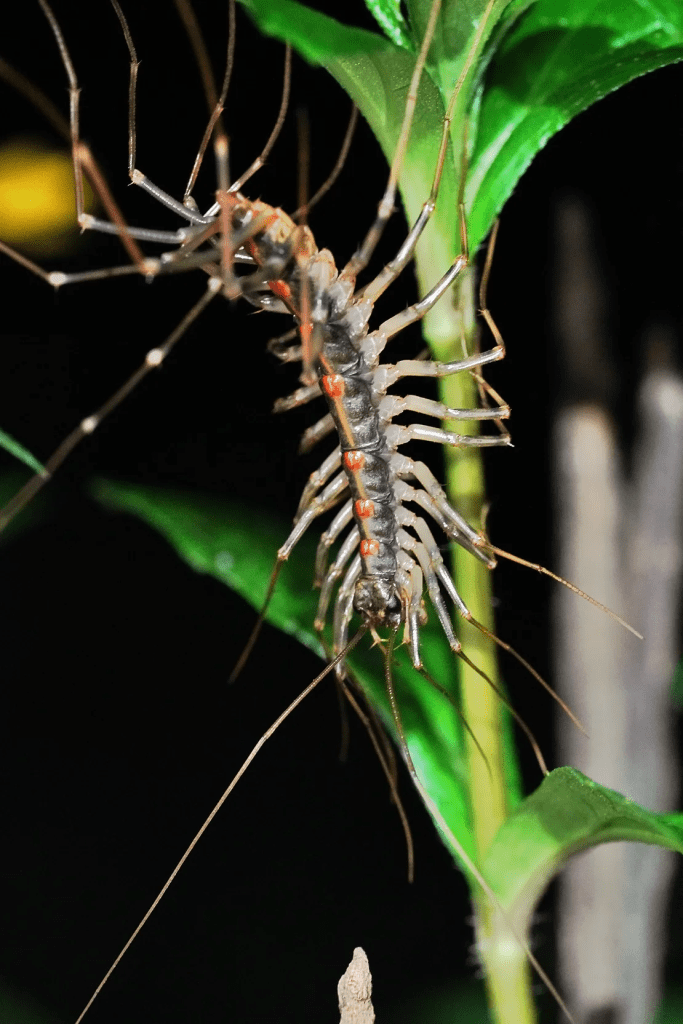
Knowledge of the local fauna not only helps in avoiding unwanted encounters but also enriches the overall backpacking experience. It allows you to appreciate the biodiversity around you while ensuring your safety. Remember, each creature, no matter how ‘nasty’ it might seem, plays a vital role in the ecosystem.
So, whether it’s avoiding a snake’s habitat, knowing the signs of a nearby predator, or understanding the behavior of insects, every piece of information adds to your preparedness. It’s always better to be safe than sorry, so keep these factors in mind and remind yourself to stay alert and cautious during your adventure.
INSECTS
For many individuals, insects are perceived as unsettling creatures that lurk and scuttle about. Their presence, particularly in large numbers, can quickly escalate a situation. I’ve come across individuals who harbor a fear of all flying entities, including birds. This may seem amusing to some (myself included), but it is indeed a reality for others.
Insects constitute a vast category of animals that are omnipresent in our environment. While many of them are aesthetically pleasing to observe, their presence within our personal space can be distressing. Some insects pose a threat, such as wasps or hornets, while others, like Green Tree Ants, are simply unpleasant.
Personally, I do not carry any insect deterrents with me, despite occasionally experiencing allergic reactions from stings or bites. This is not a practice I advocate for others; rather, I strive to avoid insects by understanding their behavior and habitats. After all, I am the one intruding into their comfort zone. It’s important to note that avoiding insects is distinct from exterminating them. Insect repellents are available in various chemical formulations and components. It’s crucial to ensure that no residues are left in the treated areas, or better yet, to opt for eco-friendly insect repellents.
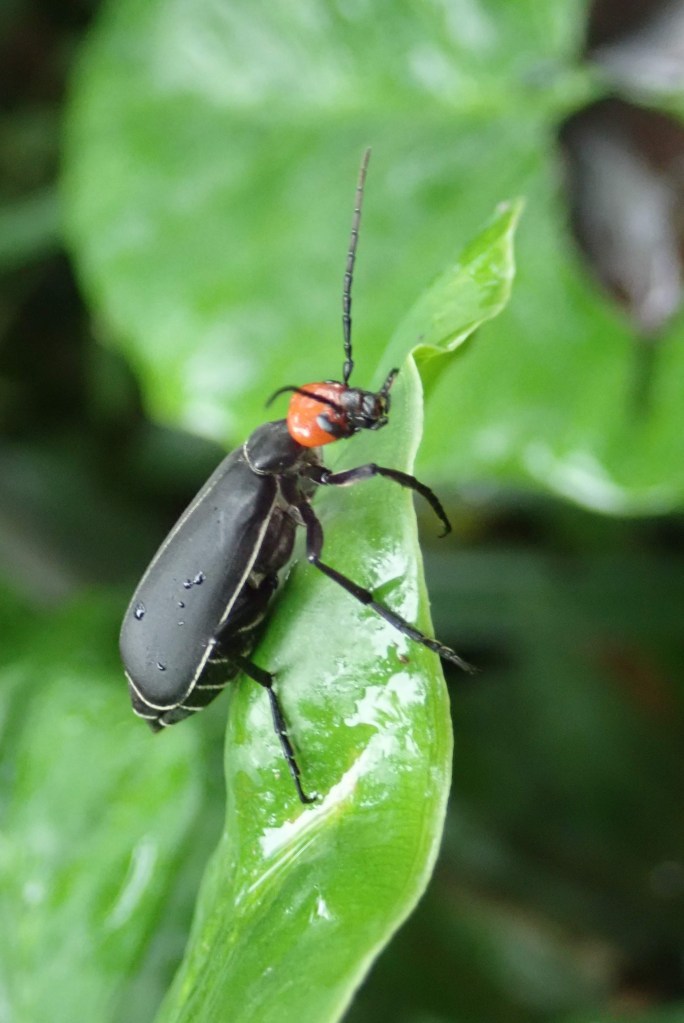
Coleoptera, the largest order of insects on Earth, is more commonly known as beetles. These creatures are often beautiful and harmless in most cases. However, it’s advisable not to handle them directly, as many beetles are equipped with a defensive secretion, colloquially known as “human spray”.
Some beetles will merely leave an unpleasant odor on your hands, but others, like the Blister Beetle, are more harmful. The secretion of Blister Beetles contains Cantharidin, a chemical agent that causes blisters on human skin. These beetles are most commonly seen during the spring and early summer.
Another noteworthy species is the Longhorn Beetle, my personal favorite. Characterized by its ultra-long antennae, elongated body, and powerful mandibles, the Longhorn Beetle is truly a sight to behold. However, caution is advised when near these beetles, as their bite is quite formidable.
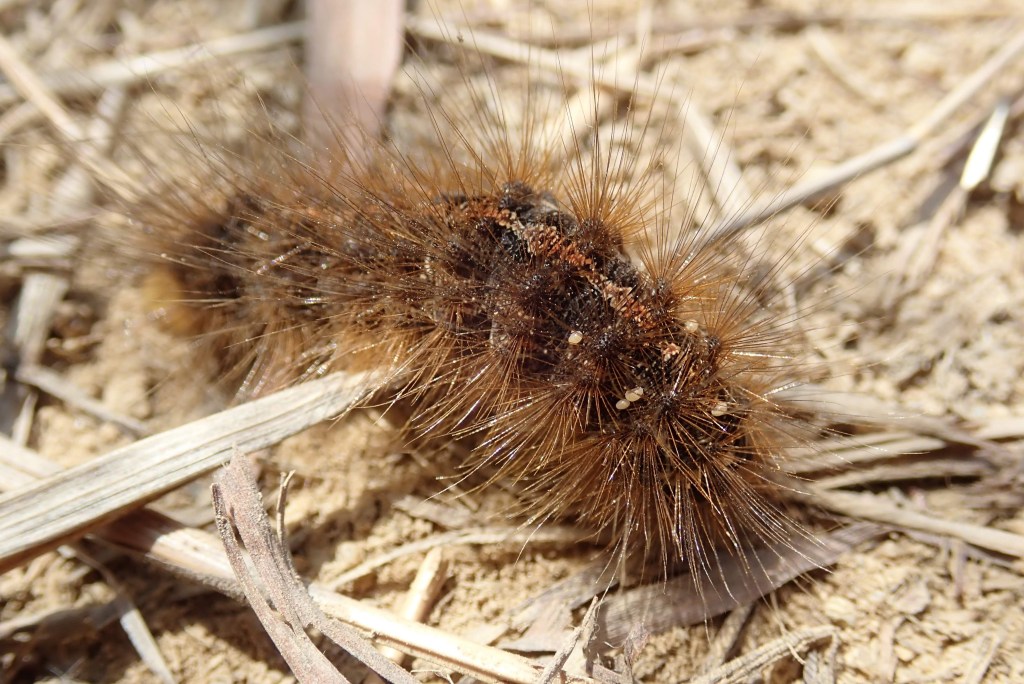
Lepidoptera, a group of insects that has captivated and endeared many, includes over 250 species of butterflies and 1500 species of moths in Hong Kong. Butterflies, which are typically seen during the day, are generally harmless and a joy to observe. While some butterflies are poisonous, they pose no threat unless consumed.
Moths, on the other hand, are far more diverse than butterflies, with many species yet to be fully understood. Most moths are harmless, based on known information and encounters. However, some moths are known for their needle-like body hair, which can cause an itchy and sometimes burning sensation upon contact. Similarly, the caterpillars of some moth species also possess this needle-like body hair. It’s always fascinating to learn about the diverse world of insects!
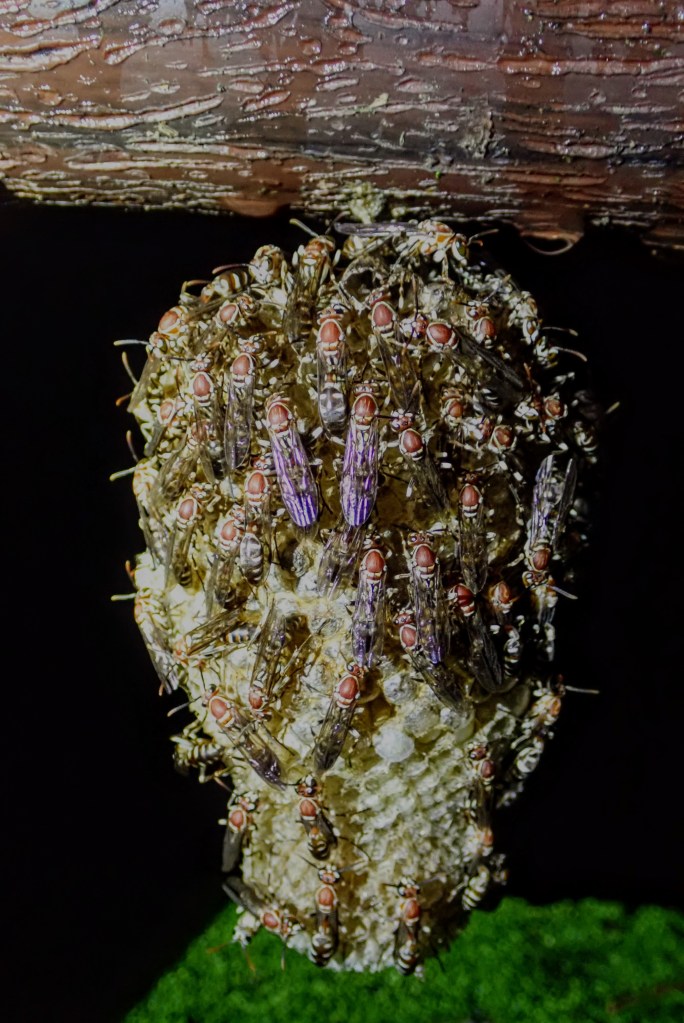
Hymenoptera is a group of insects renowned for their stings, including ants, bees, wasps, hornets, and more. Their presence is especially prevalent in the summer, though some species can be observed year-round. Most Hymenoptera insects exhibit varying degrees of social behaviors and structures, meaning they will defend their colonies and forage for food collectively. They are attracted to the same foods we enjoy, and they do not recognize boundaries or property rights.
The largest hornets or wasps can reach the size of a human palm, while the formidable ants are capable of biting through thin fabrics. It’s important to respect these creatures and their habitats, as they play a crucial role in our ecosystem. However, caution should be exercised around them due to their defensive behaviors and potential to sting or bite.
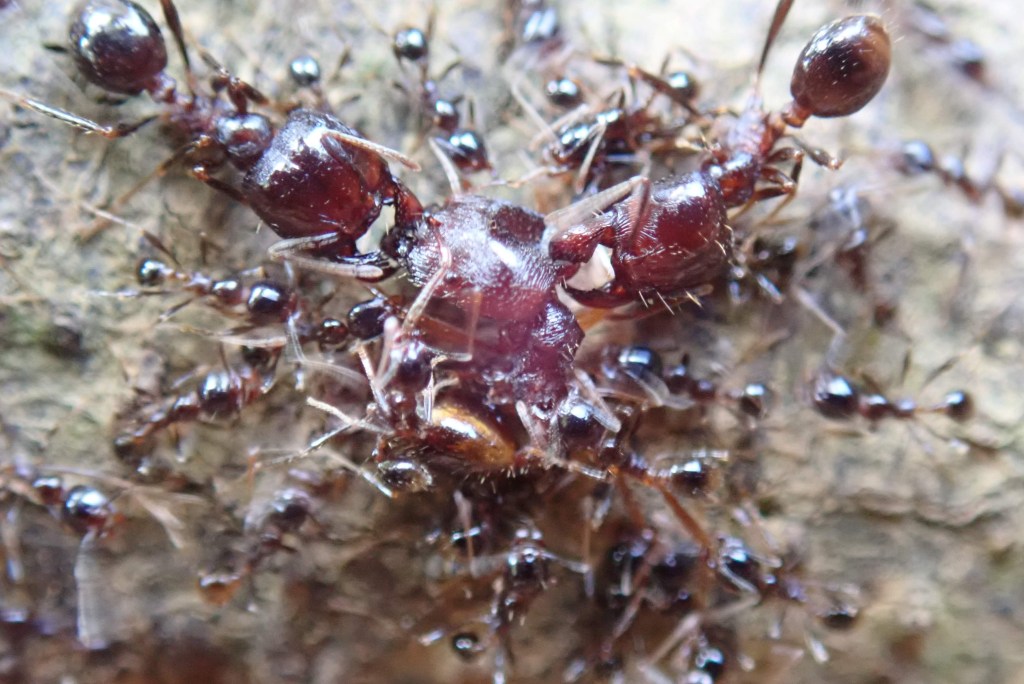
Ants can indeed be a significant issue at campsites. You might not notice them if you don’t pay attention to the ground where you set up your tent. Most ants construct their nests underground, with numerous exits and ventilation holes. If someone were to block these exits and ventilation holes, the ants, equipped with mighty jaws, would likely defend their home. The primary reason for their presence is human food waste. So, firstly, check the ground for any holes or traces of ants before you set up your tent. Secondly, do not leave any food waste behind, so that the area does not attract any hungry crowds. These precautions can help ensure a more peaceful coexistence with these fascinating creatures.
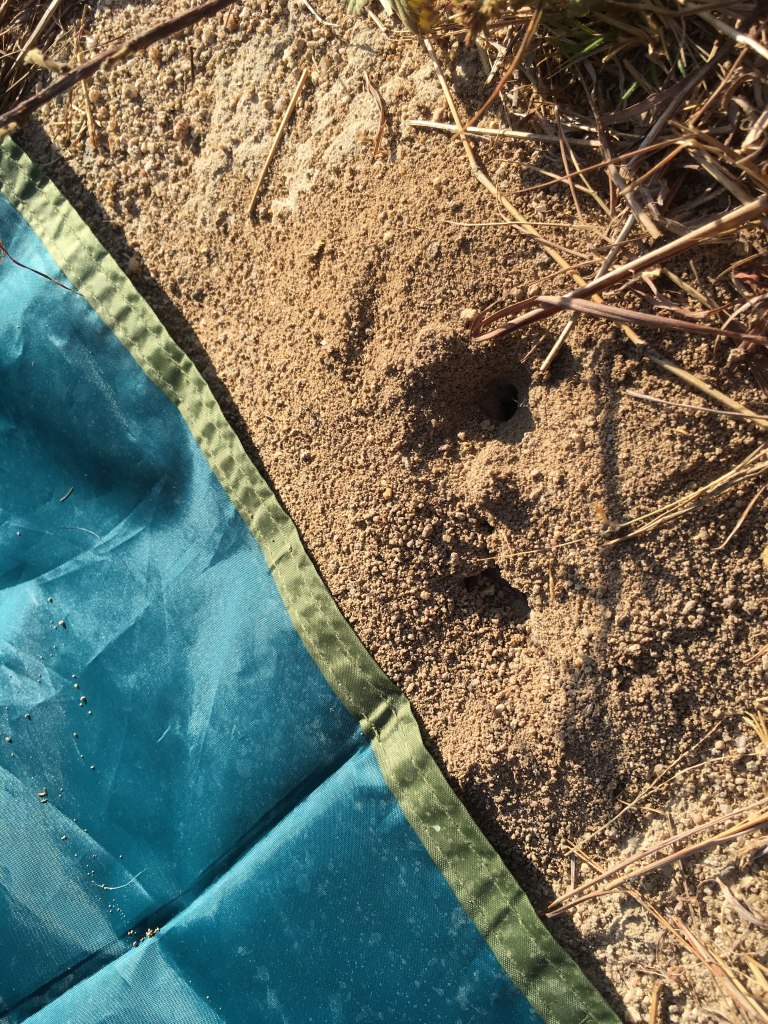
To avoid them, three things you should bear in mind:
- They don’t hurt you unless you hurt them.
- They don’t come after you, but your food.
- They don’t ruin your shelter unless you ruin theirs
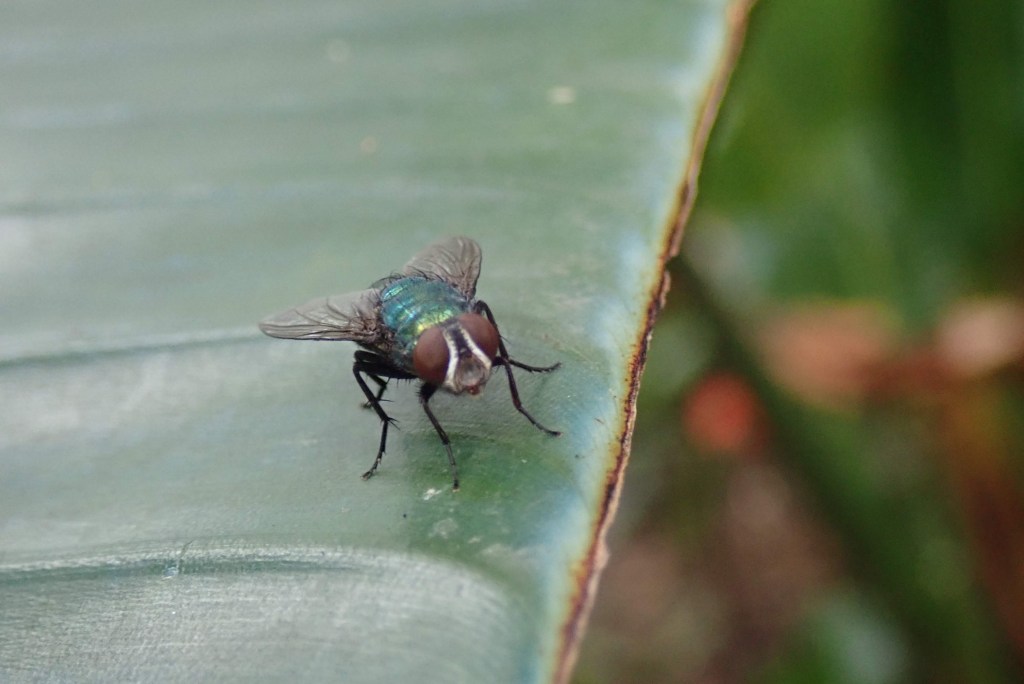
Diptera, a group of insects that includes flies and mosquitoes, is often the most disliked by people. These creatures are notorious for being annoying and for their potential to carry diseases and bacteria, acting as active transmitters from one host to another.
Mosquitoes are particularly common in rural areas. Their bites can cause temporary itching, and in some cases, they can transmit diseases such as Dengue fever. This acute mosquito-borne infection is caused by dengue viruses and is transmitted to humans through the bites of infective female Aedine mosquitoes.
When it comes to dealing with mosquitoes, options can seem limited. There is still no definitive research explaining why and how mosquitoes choose their targets. Some mosquito repellents work for some people, while others do not. While it’s understandable to want to eliminate these pests, it’s important to ensure that the methods and substances used do not cause harm to the environment. Always remember, every creature, including mosquitoes, plays a role in our ecosystem.
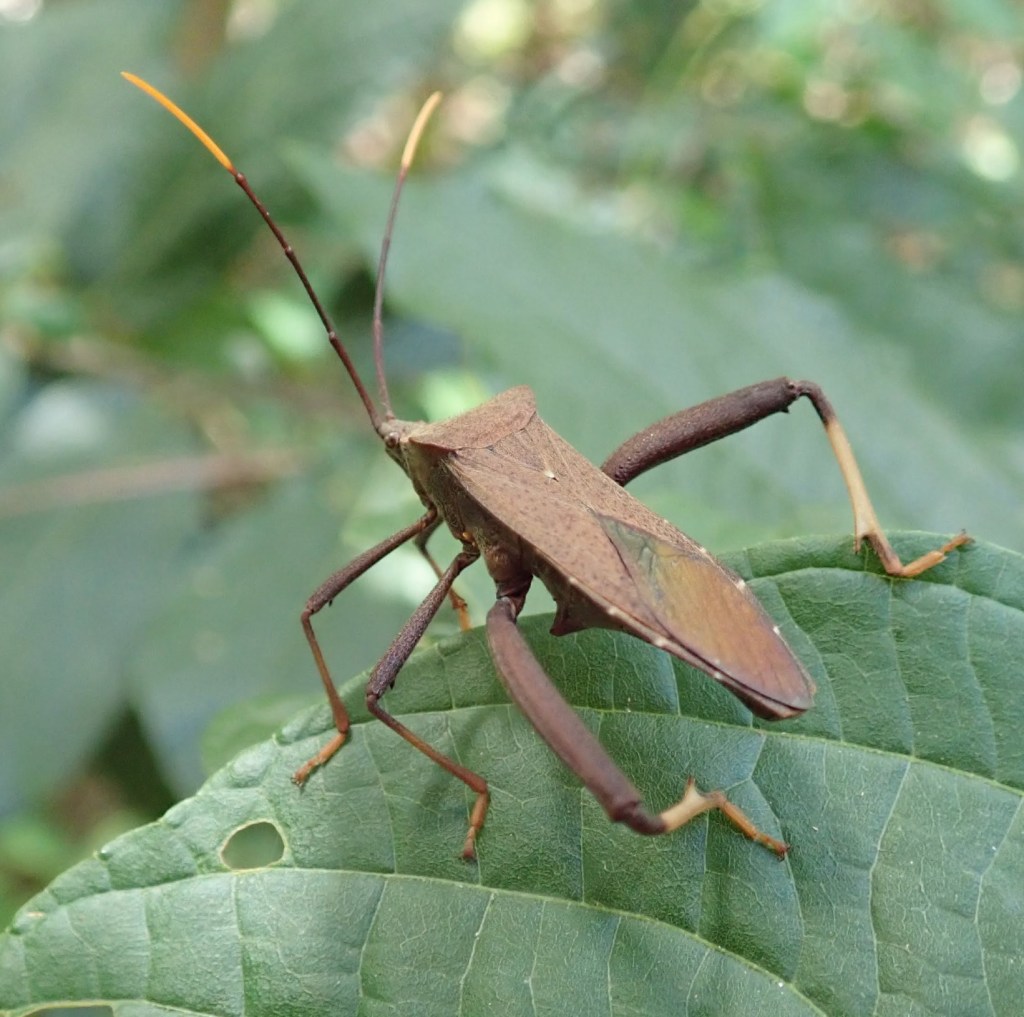
Some insects from the Hemiptera order are known as invasive species, including those commonly referred to as Stink Bugs. Similar to certain beetles that possess defensive secretions, Stink Bugs emit a stronger odor that can cause permanent stains on your clothing or backpacks. They are mostly harmless, unless you provoke them by handling them directly.
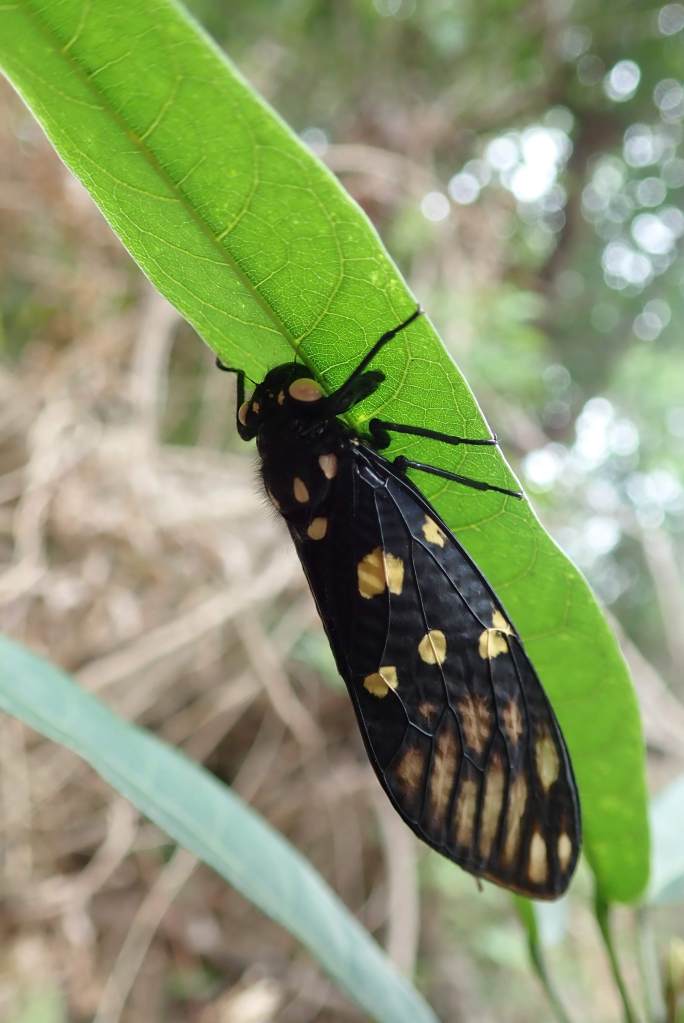
Cicadas, which also belong to this order, are absolutely harmless and quite fascinating to observe. Despite their loud mating calls, they pose no threat to humans and are an integral part of our ecosystem. It’s always interesting to learn about the diverse world of insects and their unique adaptations!
MAMMALS
our closest relatives in the animal kingdom, are often a source of fascination and delight. Many of them have historically been our partners in agriculture or peaceful inhabitants of mountainous regions. However, increasing human activities have led to disturbances and conflicts with these animals. The boundary between human spaces and wildlife habitats has become blurred, leading to confusion for the animals. Unfortunately, much of this is caused by humans, and the resulting consequences can be unpleasant.
WILD BOAR
The Wild Boar is a prime example of this. As you’ve shared, a full-grown adult Wild Boar can weigh up to 350kg, heavier than an average motorcycle. The males have pronounced tusks, making them quite formidable. It’s easy to imagine the damage they could cause if they were to run over a tent.
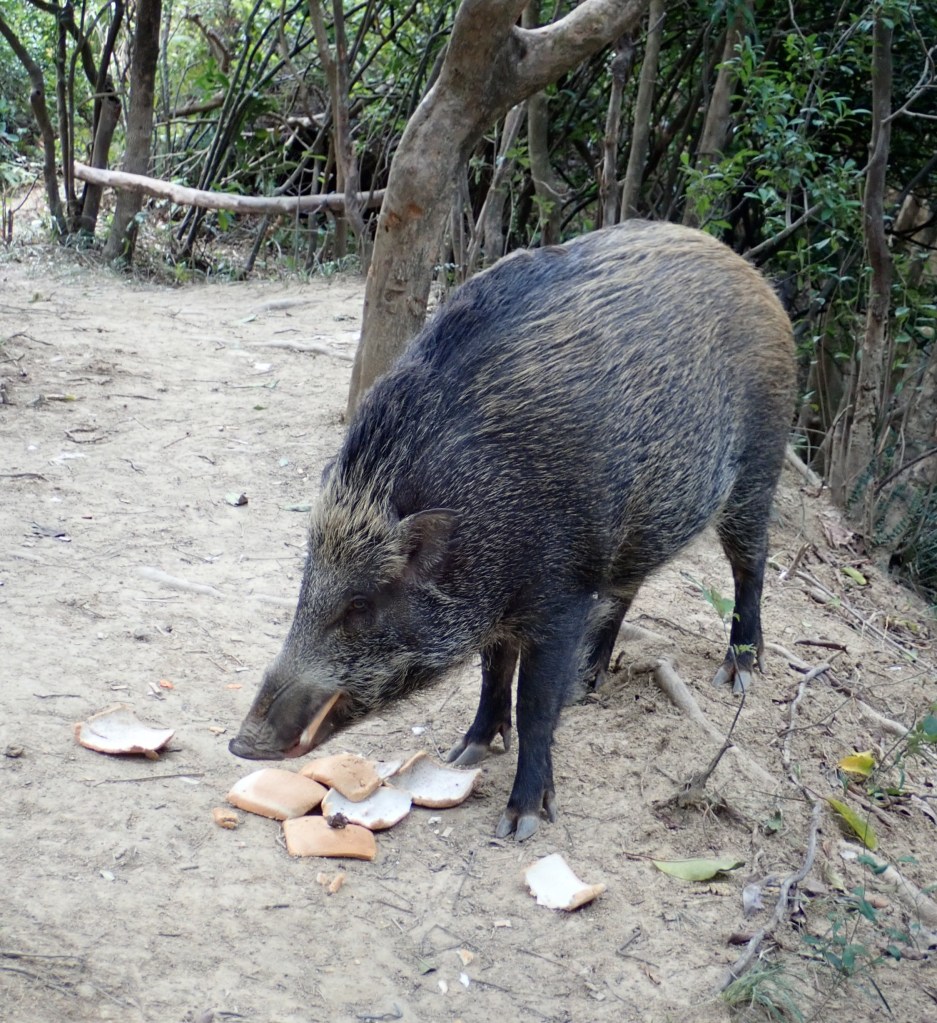
Wild Boars are omnivorous, with a diet ranging from roots and leaves to insects and worms. They also have a taste for human food, including bread, steak, crackers, cheese, and more. They exhibit aggressive behavior when seeking food, a trait that has been exacerbated by humans feeding them. Unfortunately, some people use food as bait to lure them close for a selfie, which can lead to dangerous situations.
When encountering a Wild Boar with cubs, it’s crucial to pay extra attention to ensure your paths do not intersect. A mother with cubs is extremely sensitive and aggressive, and she may attack before choosing to run away. It’s always important to respect wildlife and maintain a safe distance to ensure the safety of both humans and animals.
DOMESTIC OX
Originally imported as agricultural tools, have been left behind as the agricultural industry has diminished. They are now widespread throughout Hong Kong. Generally mild and harmless, the main issue arises when people feed them for the sake of taking selfies.
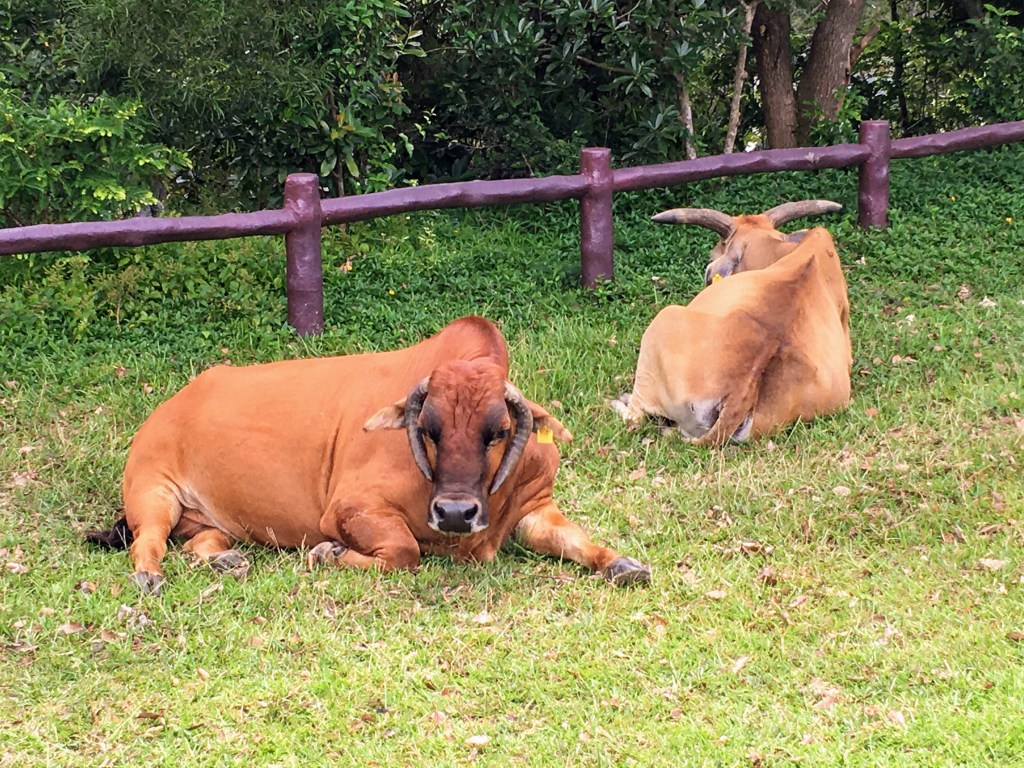
The food people feed them can be quite surprising, ranging from bread, sausages, steak, pork chop, fish ball, rice, to fruits, etc. These items are not part of their natural diet as they are herbivores. Their search for human food often leads them to overturn trash bins, causing hygiene issues in campsites.
MACAQUE
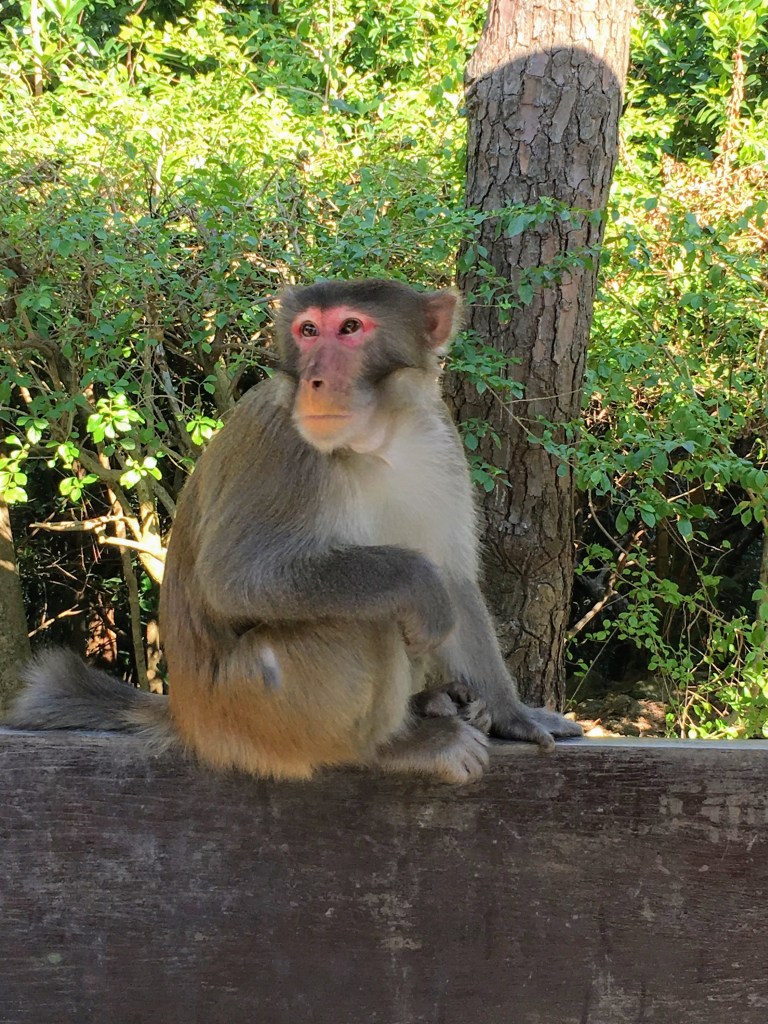
They are extremely intelligent animals that exhibit complex social hierarchies and learning behaviors. They often appear in large numbers, from 20 to 200, which can be quite an adrenaline-inducing experience when they surround you to steal food. Fortunately, they are not common in campsites. Most of the campsites are far from their presence. You will see them in the forests around Tai Mo Shan, the highest peak in Hong Kong. They have learned that humans are a source of food, and unfortunately, people continue to feed them for selfies. The problems and injuries caused by monkeys are far more than other animals.
WILD DOG
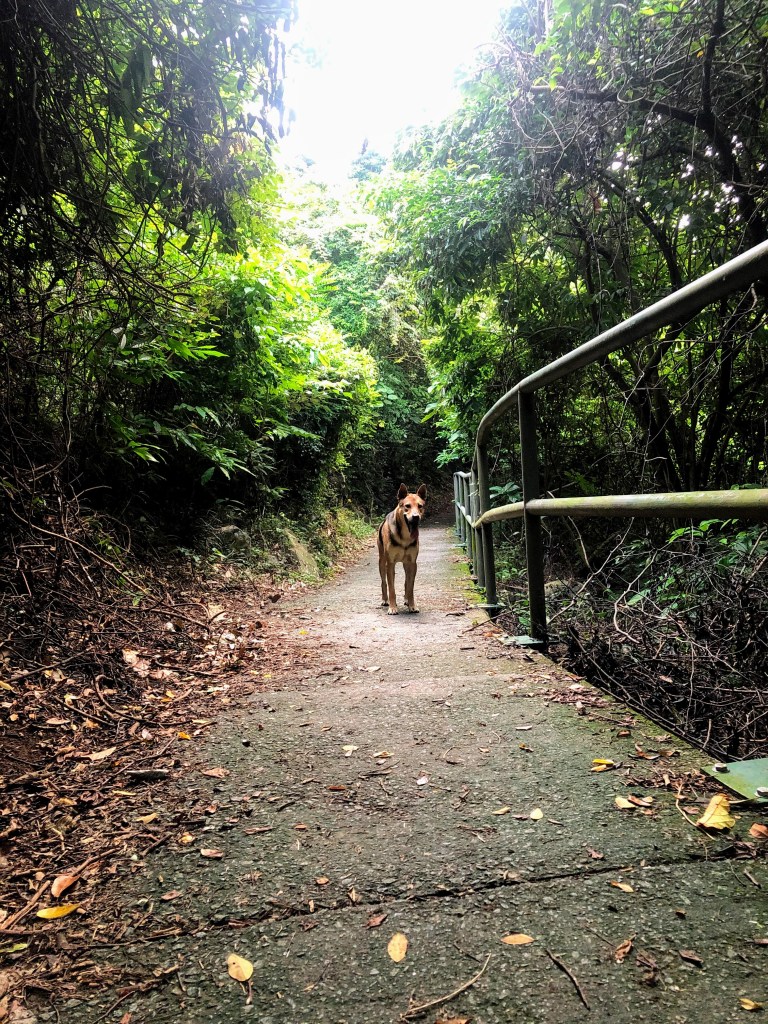
They are generally calm and harmless to people. They may belong to villagers as guard dogs, so they might be pretty fierce when you appear in their territories. They wouldn’t come after you if you are leaving their territories. Some wild dogs have been fed by campers and they constantly come back for more. They may steal your food or food waste, but they are smart animals and will eventually run off if you guard your food well. It’s important not to try to pet them, as they are not pets, and their reactions can be unpredictable and potentially unpleasant. Always remember to respect wildlife and maintain a safe distance.
FOREST RAT
Who doesn’t like Mickey? Well, they are really adorable but super fast and agile. I never get a chance to take a photo of them. Their disturbance is minimal. Their presents are caused by food waste left in campsites. They haven’t done anything very serious so far.
A story of mine to share, I was having a steak over a charcoal grill, sipping my favourite tea. The little guy showed up and suddenly disappeared. It came probably because of my steak and went off because of the presents of me. I finished my meal and had the utensils cleaned then went to bed. The next morning I found a bite mark on the side of my flip flops. I might have dropped some steak juice on my flip flops.
OTHER ANIMALS & PLANTS
SNAKES
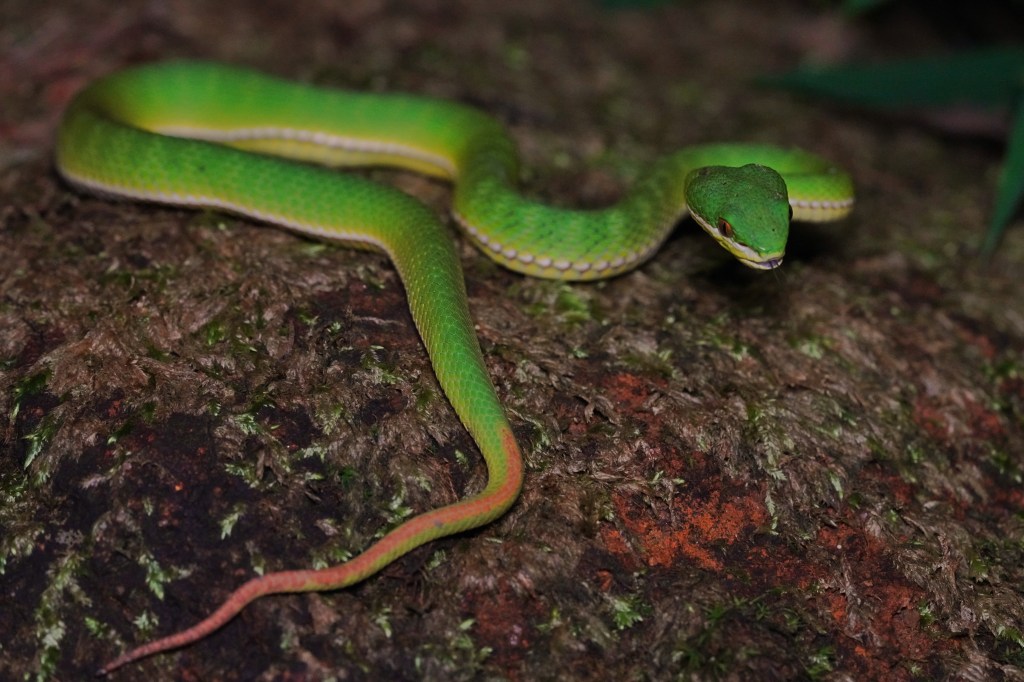
Snakes are indeed incredible creatures. With over 50 species in Hong Kong, less than half are venomous, and fewer still are deadly. Only a few of these might be seen during the day or in campsites. As with any wildlife, it’s important not to try to hold or kill them, as you may not be able to identify the snake or predict its reaction. Leaving them alone is the best course of action, as they will move off once they sense the presence of humans.
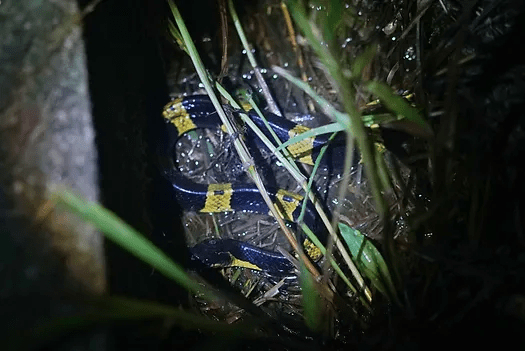
Precautions as to any snakes in the world. Do not try to hold them or kill them, as you may not be able to identify the snakes. Which means you do not know how the snakes will be reacting. Leave them alone, they will be off once they sense the presence of humans. For more snakes information, check out HK Snake ID. They have so much awesome information regarding the snakes in Hong Kong.
SPIDERS
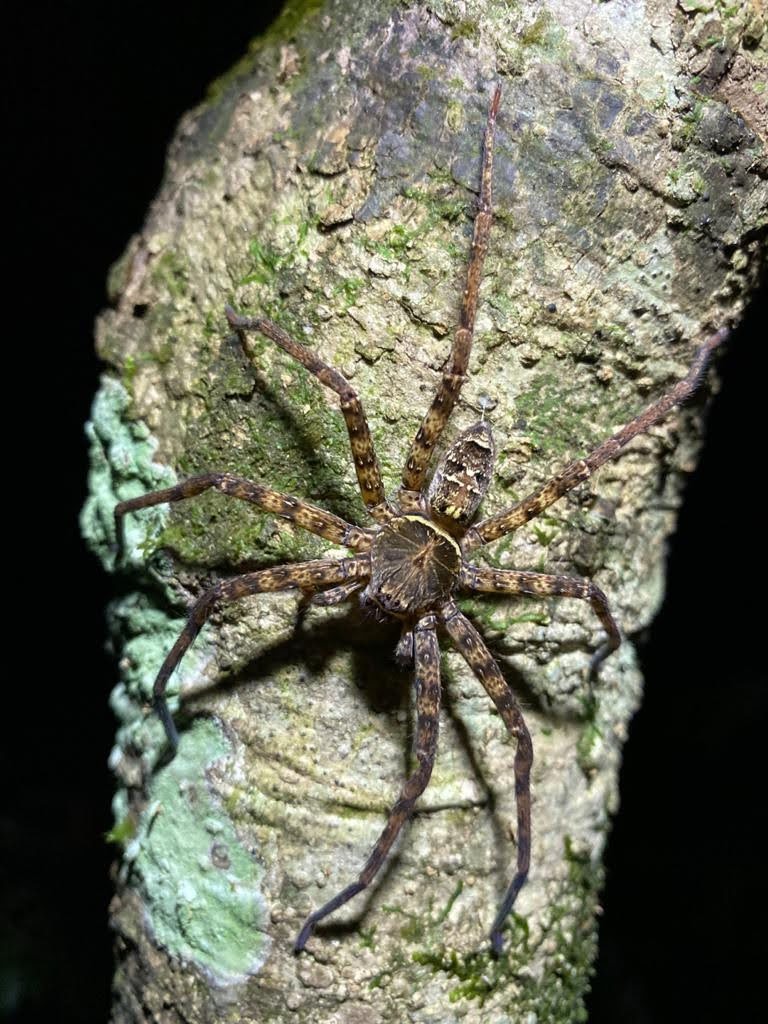
Spiders in Hong Kong are generally not venomous to the point of causing death, and most are harmless. Their venom is primarily used to kill their prey and has little or no effects on humans. However, getting bitten can still be painful. It’s always important to respect all creatures and their habitats, and to take precautions when interacting with wildlife.
POISONOUS PLANTS
With over 3,300 species of plants in Hong Kong, including many wild edibles or bush tuckers, it’s crucial to be aware that some of these plants can be deadly poisonous to humans. Even if you’re certain about the species, it’s best not to consume them due to the potential risks involved.
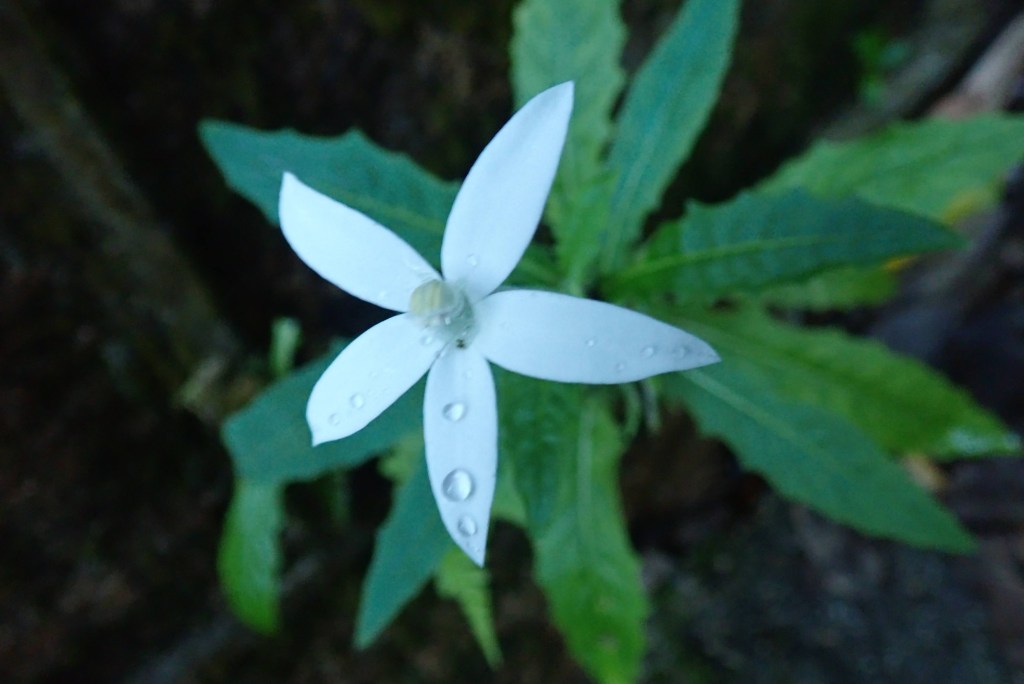
The Hong Kong Hospital Authority has put together an extensive database on toxic plants. This tool integrates medical, botanical, and analytical insights on local toxic plants, acting as a scientifically-backed reference for plant poisoning. The trio of plants most frequently leading to poisoning in Hong Kong are Alocasia macrorrhizos, Gelsemium elegans, and species of Rhododendron. Plants that have been identified as causing serious and possibly life-threatening poisonings in Hong Kong include Abrus precatorius, Gelsemium elegans, species of Rhododendron, and Emilia sonchifolia. For more information, please check out:


