
The Hong Kong UNESCO Global Geopark emerged from the successful country park system. It serves as an essential platform for promoting science popularization and enhancing local nature conservation efforts. Under the Country Parks Ordinance and Marine Parks Ordinance, important geological sites are legally protected. These sites showcase fascinating geological features and contribute to the overall conservation efforts in Hong Kong.
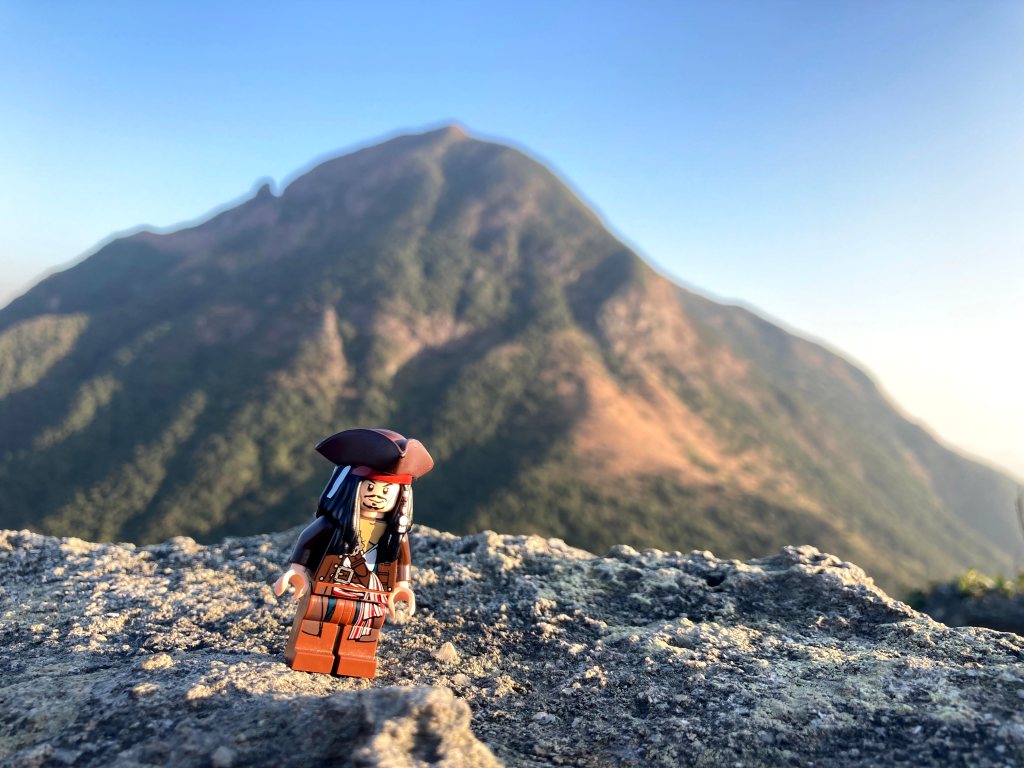
Hong Kong’s country parks and geoparks offer a unique blend of natural beauty, outdoor activities, and educational opportunities for visitors and residents alike. Whether you’re exploring scenic hills or uncovering geological wonders, these protected areas provide a refreshing escape from the urban hustle and bustle.
- Geological History of Hong Kong
- The Unique Geological Formations within Hong Kong’s country parks
- Explore the Wonders of Hong Kong’s UNESCO Global Geopark
Geological History of Hong Kong
Hong Kong’s geological history is like a fascinating storybook that goes back about 420 million years. The city is mostly made up of rocks that came from volcanoes (called igneous rocks), which cover about 85% of Hong Kong’s land. The rest 15% is mostly made up of rocks that formed from layers of soil and other materials (called sedimentary rocks), which are mainly found in the northeast New Territories. There’s also a tiny bit (less than 1%) of rocks that changed under heat and pressure (called metamorphic rocks) in the New Territories.
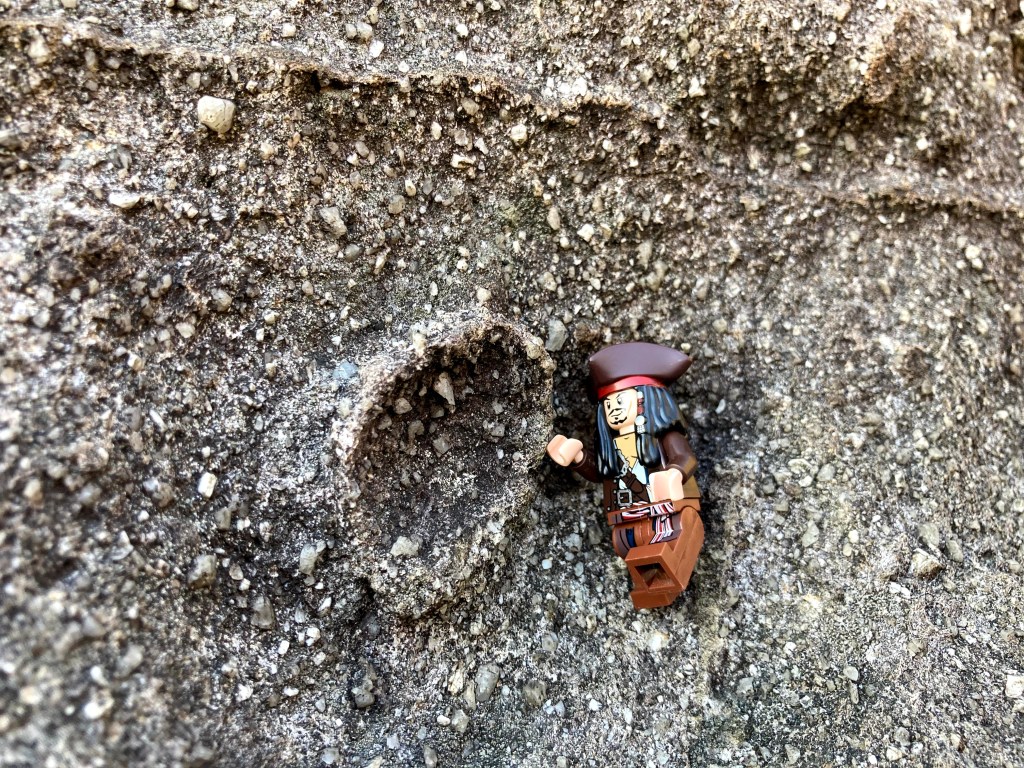
Some of the youngest rocks in Hong Kong were formed about 50 million years ago and can be seen in Tung Ping Chau in northeast Hong Kong. Each type of rock: igneous, sedimentary, and metamorphic rocks, has formed some really cool features in Hong Kong.

For example, the igneous rocks formed the hexagonal columns in Sai Kung. Sedimentary rocks formed various erosion features such as wave-cut platforms and sea stacks in Tung Ping Chau. Metamorphic rocks formed the iron ore deposits in Ma On Shan.
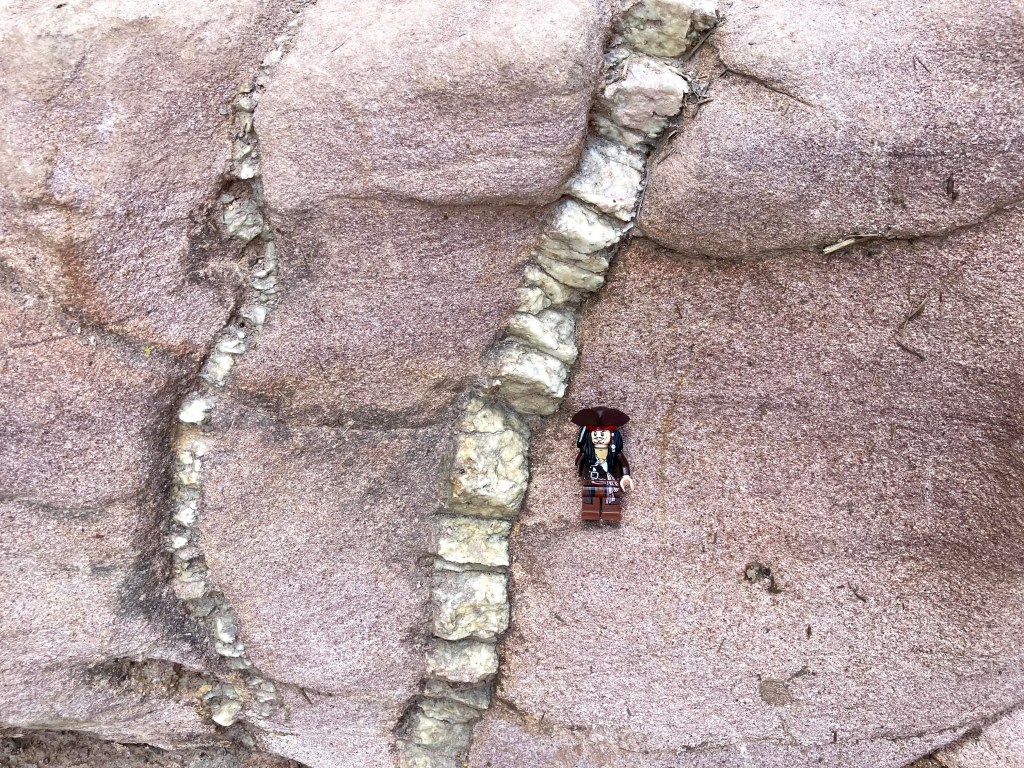
In terms of structural geology, faults in Hong Kong are mainly running from the northeast to the southwest. Deformation features such as sheared rocks, folds and faulted rocks can be found near major faults such as are the banks of the Tolo Channel. Past fault activities can be traced by some structures such as the Lantau dyke swarm and deformed caldera.
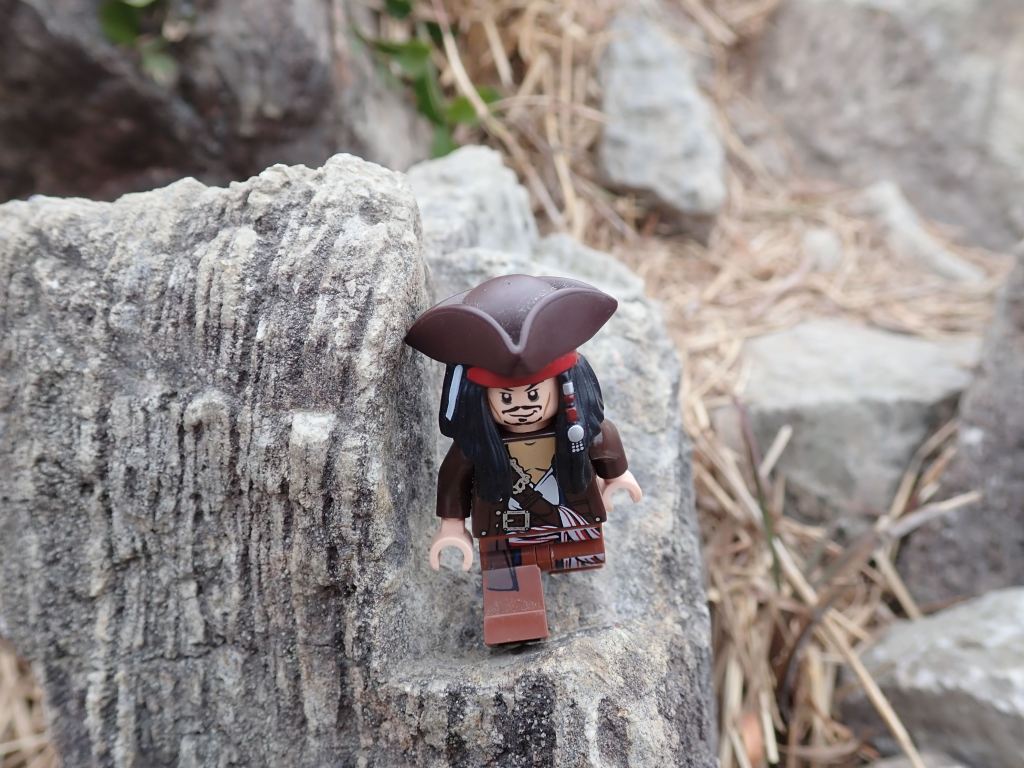
The geological history of Hong Kong is mainly divided into three periods. From the Devonian to the early Jurassic is the pre-volcanic sedimentary period. The environment of Hong Kong alternated between a river plain and a shallow sea setting. Rocks of this period are characterized by a variety of fossils, heavily folded strata, and steeply tilted beds.
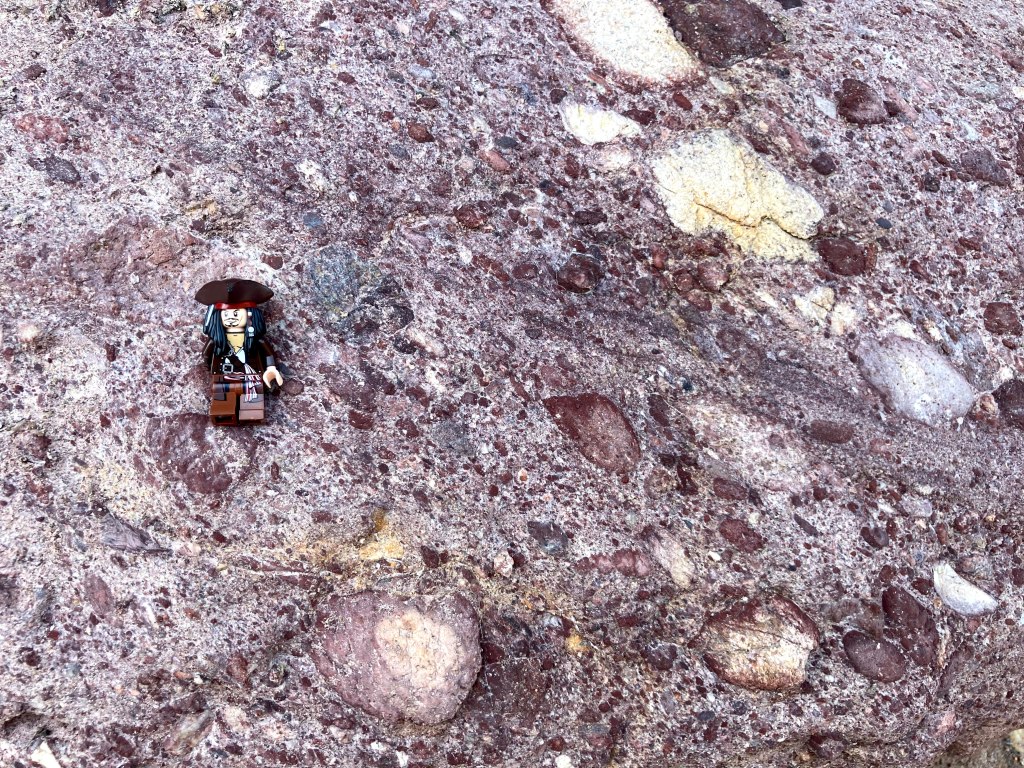
The geological history and the evolution of the tectonic setting of Hong Kong can be deciphered through detailed studies of the rocks. The large variety of rock types present in Hong Kong reflects the complexity of the geology of the region.
The Unique Geological Formations within Hong Kong’s country parks
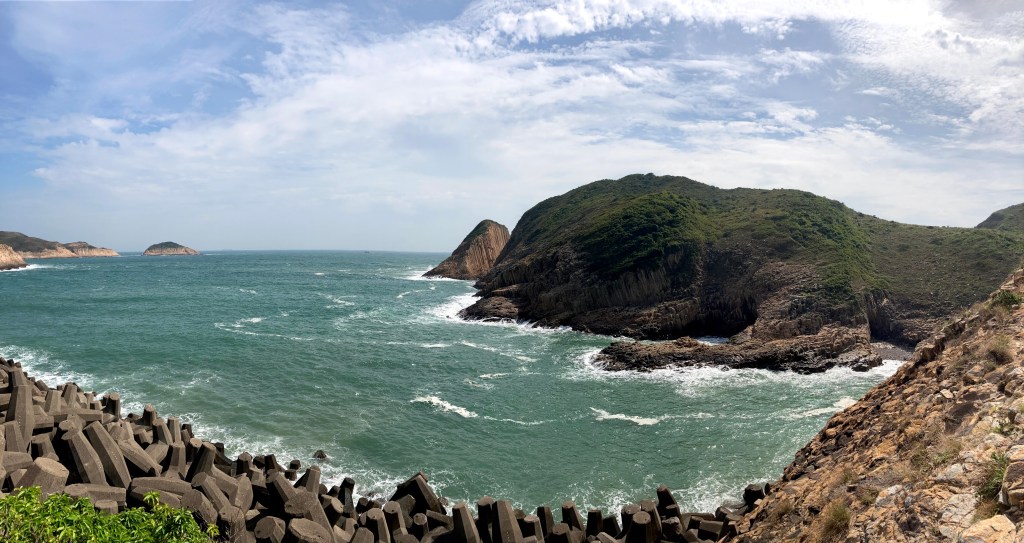
Hexagonal Rock Columns: These are a prominent feature in the UNESCO Global Geopark located in Sai Kung. These geometrically appealing columns are composed of rhyolitic tuff, a type of rock that originates from volcanic ash and debris. These formations are believed to have been created over 140 million years ago following a supervolcano eruption. The High Island Geo Trail is a popular spot where you can witness these spectacular hexagonal rock columns up close.

Devil’s Fist: This is part of one of the most challenging treks in Hong Kong, located in Wong Chuk Kok Tsui. The rocks in this area, including one that bears a striking resemblance to Thanos’ hand from the Marvel Universe, are some of the oldest in Hong Kong, with an age of over 400 million years.
Po Pin Chau: This small island off the southeastern coast of Sai Kung East Country Park is known for its hexagonal rock columns. These were formed by volcanic eruptions approximately 140 million years ago. The island, which can be viewed from the Fa Shan viewpoint, offers a stunning contrast to the azure waters of the South China Sea.
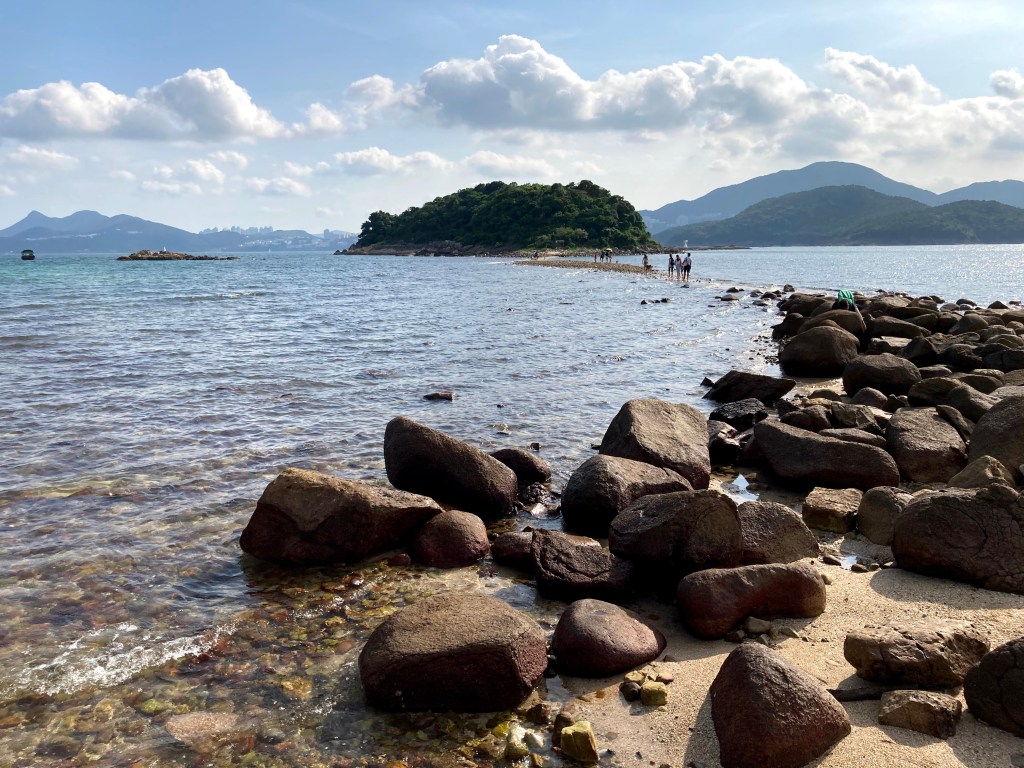
Tombolos: These are natural bridges formed by sediment deposited by sea currents. They typically connect an island or islet to the mainland. The most famous tombolo in Hong Kong is located on Sharp Island. During low tide, a sandbar emerges, connecting Sharp Island to a smaller islet, Kiu Tau.
These geological wonders not only contribute to the scenic beauty of Hong Kong’s country parks but also offer valuable insights into the Earth’s geological history and processes. They serve as natural classrooms for geology enthusiasts and provide unique backdrops for nature photography. Whether you’re a hiker, a nature lover, or a geology enthusiast, these formations offer a fascinating glimpse into the natural wonders of Hong Kong.
Explore the Wonders of Hong Kong’s UNESCO Global Geopark
Hong Kong’s UNESCO Global Geopark is a unique urban oasis that offers a blend of breathtaking geological formations and diverse ecological resources. Covering an expansive area of 50 km², this natural wonder is conveniently located just an hour away from the bustling city center.
The Geopark is divided into two main regions:
Sai Kung Volcanic Rock Region: This area is a must-visit for any geology enthusiast. Here, you’ll find stunning hexagonal rock columns made from volcanic materials, spread over a land-and-sea area of 100 km² in Sai Kung. One of the highlights is the High Island Geo Trail, where you can get up close and personal with these spectacular rock formations.
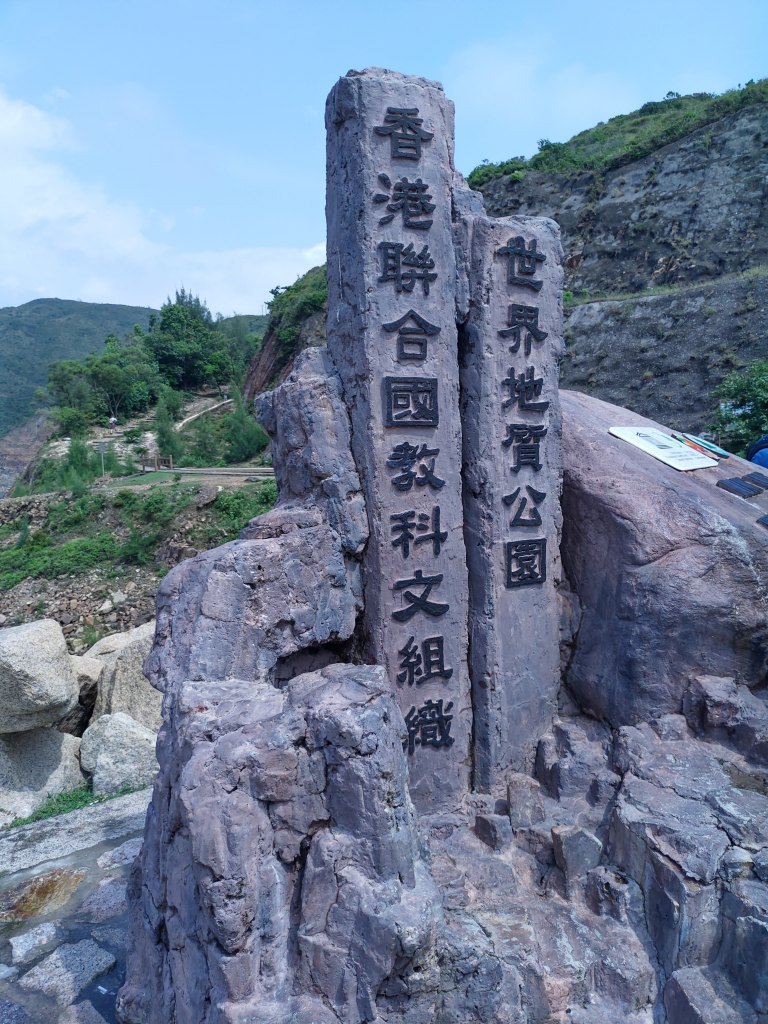
Northeast New Territories Sedimentary Rock Region: This region includes several remote islands to the north. It showcases a variety of sedimentary rocks, ranging from large-grained conglomerate to fine-grained mudstone, each displaying a unique color palette.
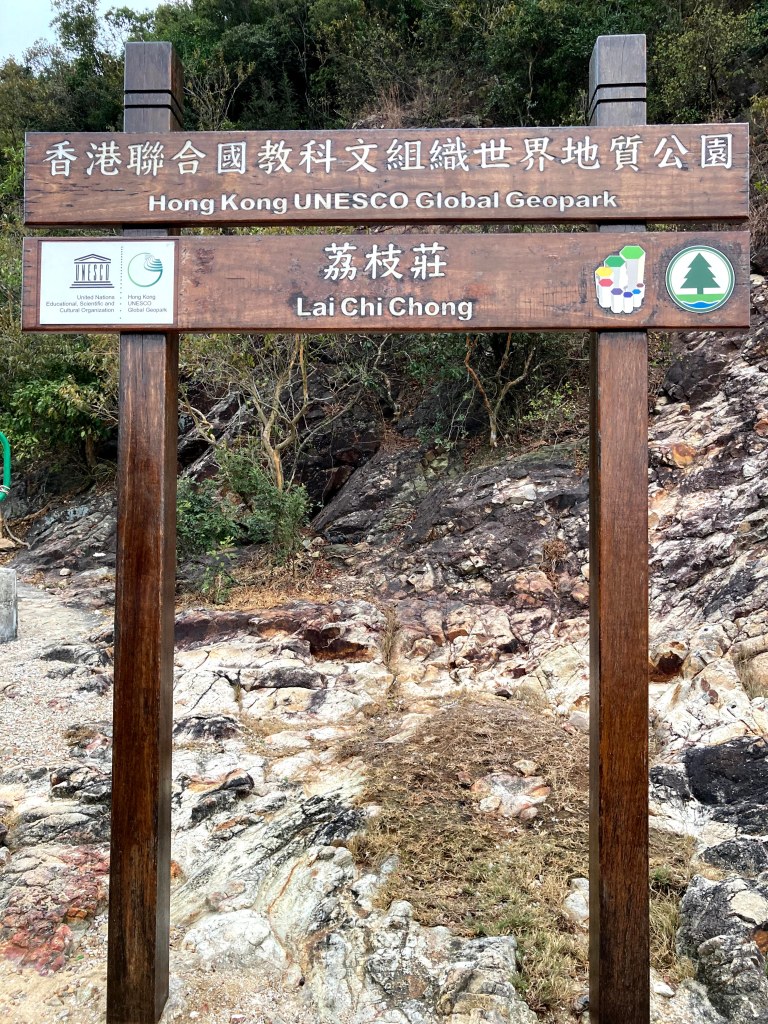
In addition to its geological wonders, the Geopark is also home to diverse ecological resources such as mangroves, fung shui woods, and coral communities. History buffs will appreciate the well-preserved Hakka walled-villages, fishing villages, and historical relics such as temples.
Discover Geological Marvels
The Hong Kong UNESCO Global Geopark is a hidden gem waiting to be explored. Nestled within the bustling cityscape, this geopark reveals the ancient stories etched in rocks, cliffs, and coastlines. Here’s what makes it truly remarkable:
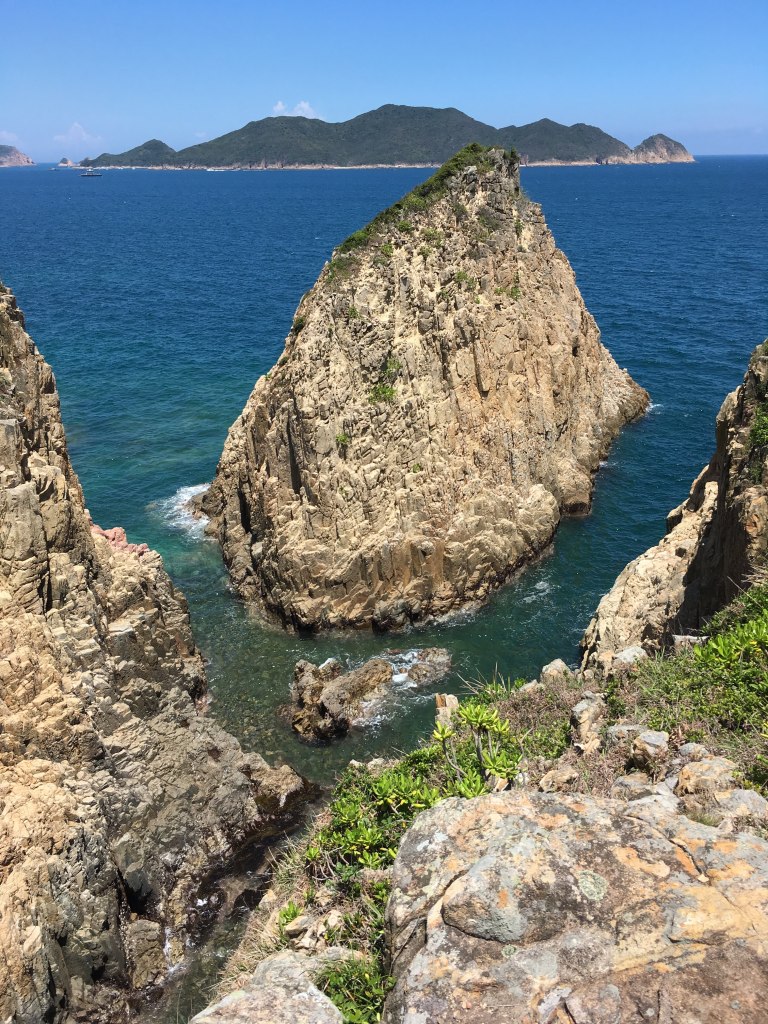
Ancient Rock Formations: Imagine standing on rocks that have witnessed millions of years of Earth’s history. The geopark showcases sedimentary, volcanic, and metamorphic rocks, each with its own tale to tell.
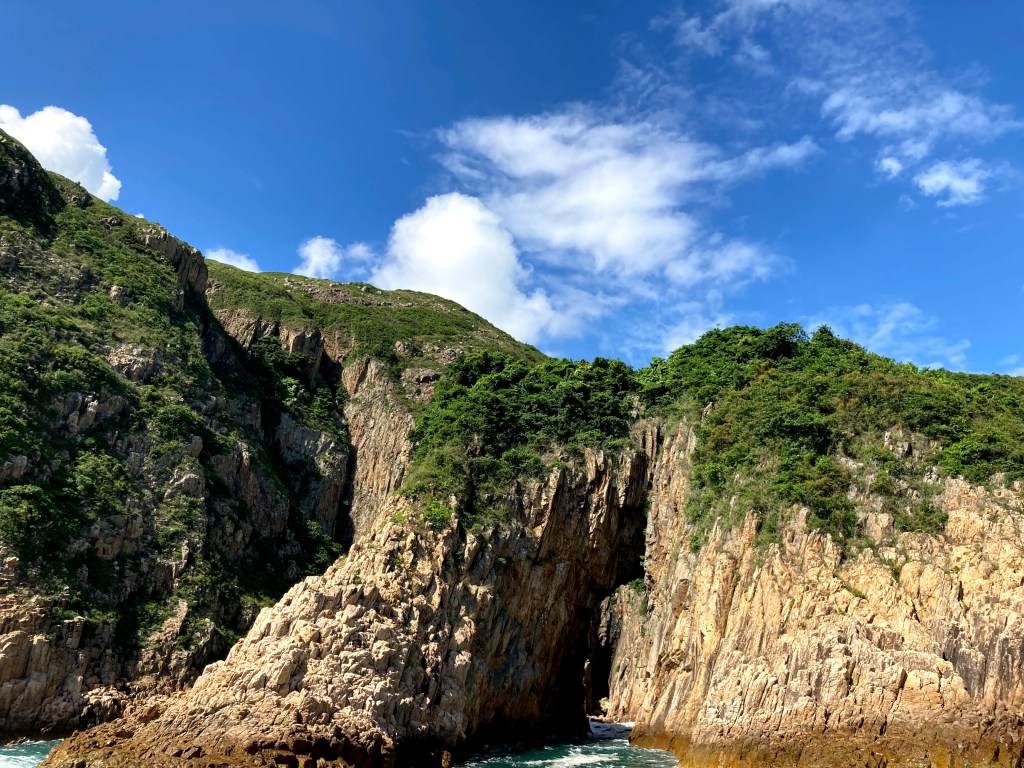
Hexagonal Columns: At High Island Reservoir, you’ll encounter hexagonal rock columns—nature’s masterpiece. These symmetrical formations were created by volcanic activity eons ago. Marvel at their geometric precision!
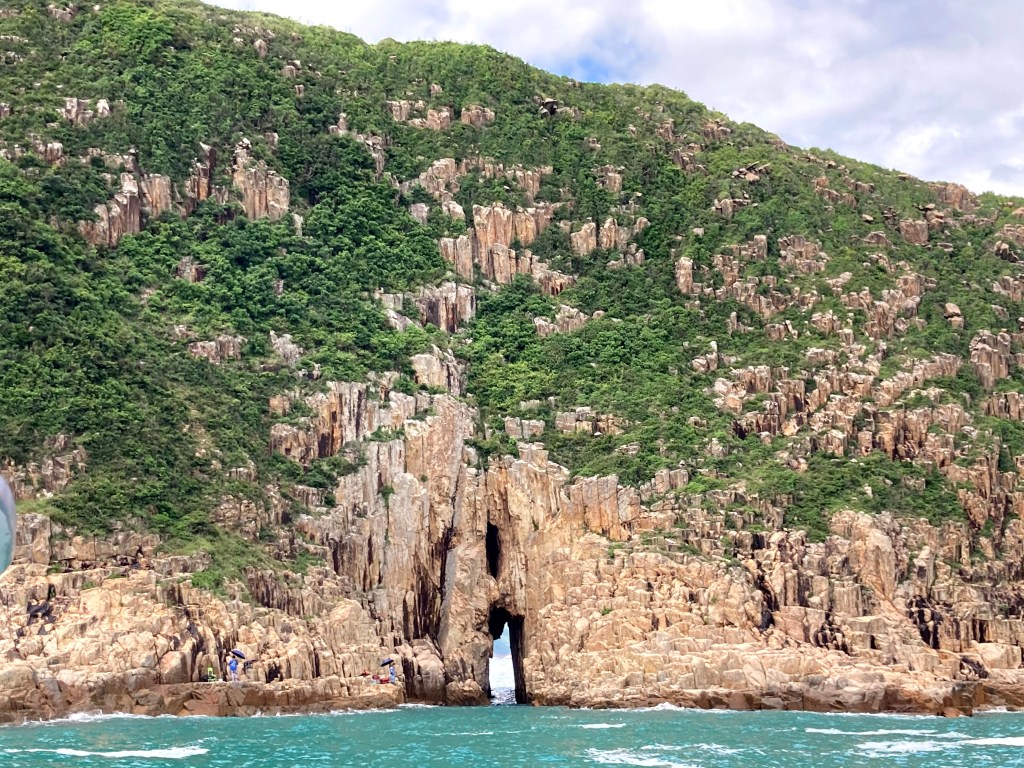
Sea Caves and Sea Stacks: Explore hidden sea caves carved by relentless waves. Admire sea stacks rising dramatically from the water—a testament to the power of erosion. Po Pin Chau is a must-see for these coastal wonders.
Adventure Awaits
The Geopark isn’t just about rocks; it’s an outdoor playground for adventure enthusiasts:
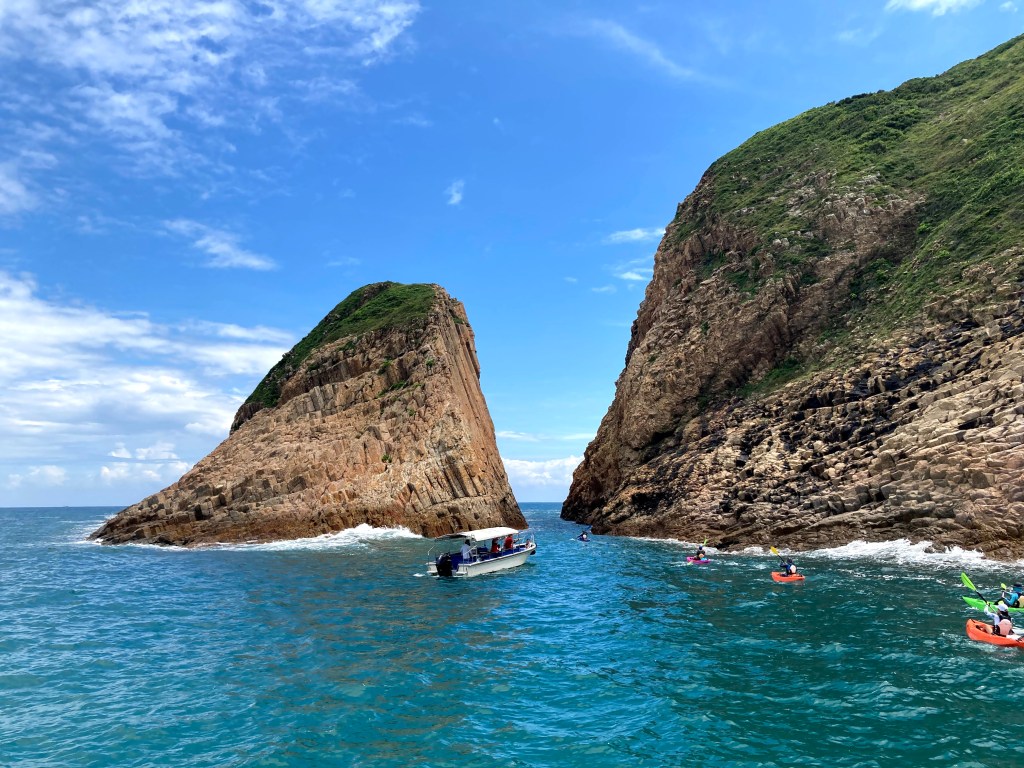
Kayaking and Coastal Exploration: Paddle through sea caves, arches, and tunnels. Feel the salty breeze as you navigate the rugged coastline. Don’t forget your camera—the views are Instagram-worthy!
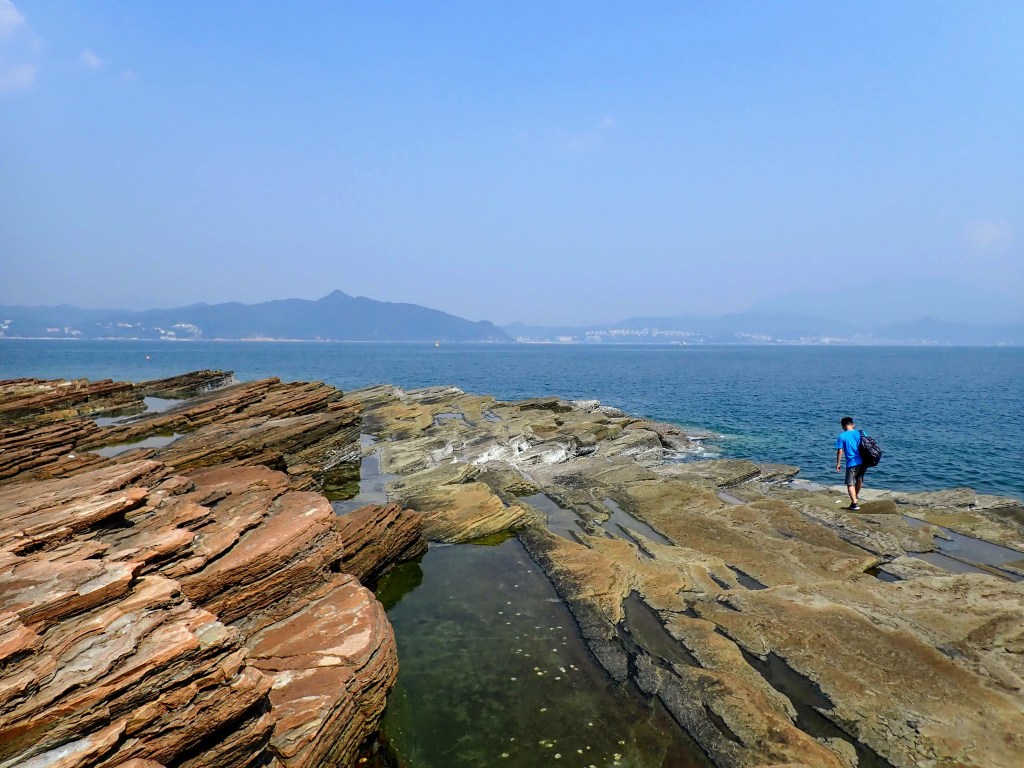
Hiking Trails: Lace up your hiking boots and follow the geotrails. The Northeast New Territories Sedimentary Rock Region offers breathtaking vistas of turquoise waters, lush hills, and ancient volcanic formations.
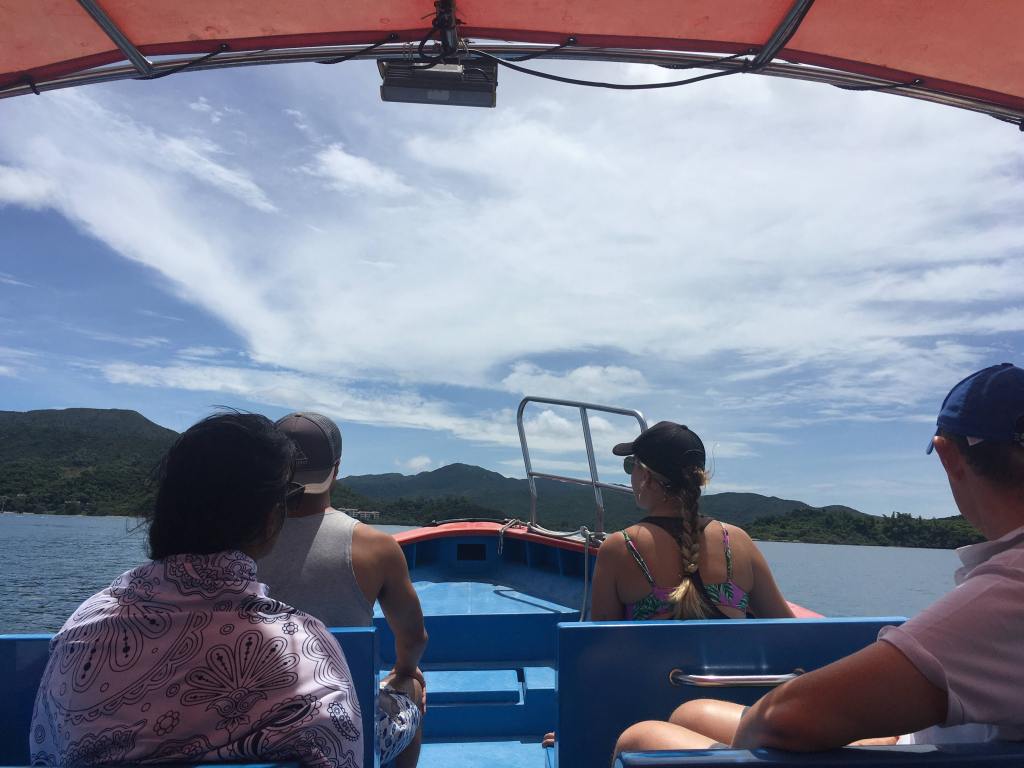
Geosafari Boat Tours: Hop on a boat and cruise along the coastline. Knowledgeable guides will unravel the geological mysteries, pointing out hidden gems along the way.
Education and Conservation
The geopark isn’t just for thrill-seekers; it’s an open classroom:
Interactive Visitor Centers: Visit the Hong Kong Geopark Visitor Center to engage with interactive exhibits, touch fossils, and learn about plate tectonics.
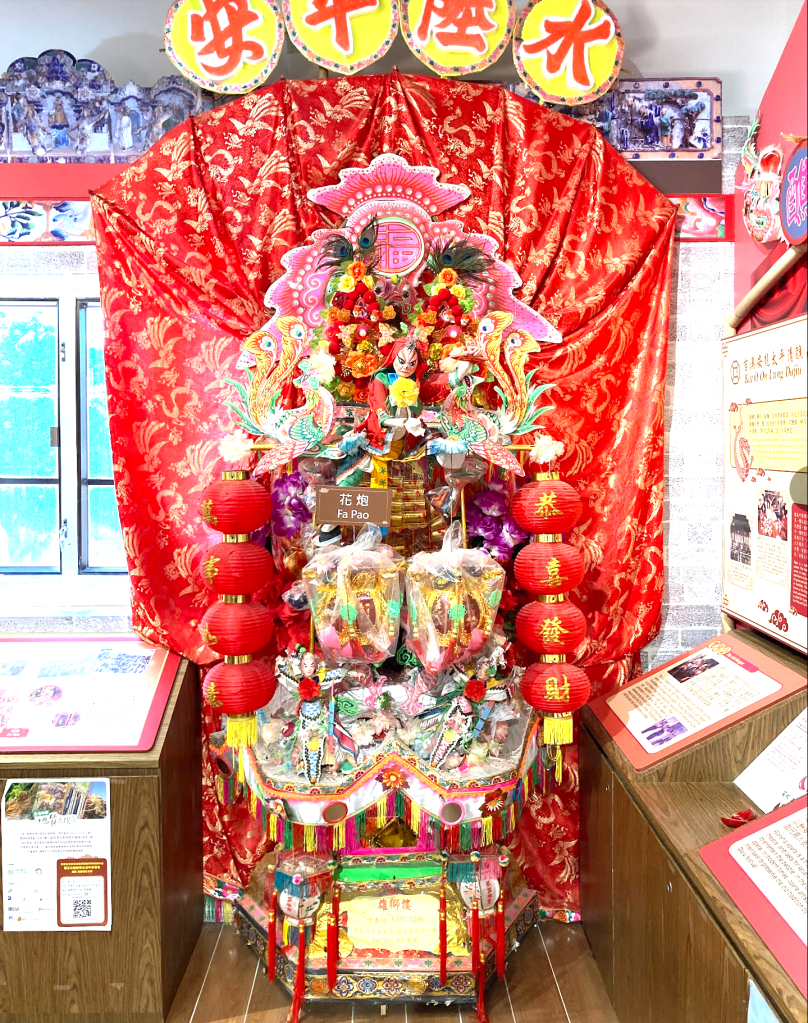
Guided Tours: Join guided tours led by geopark experts. Discover the stories behind the rocks, fossils, and landforms. Kids and adults alike will be fascinated!
Conservation Efforts: By protecting these geological wonders, the geopark contributes to global conservation efforts. Be part of something bigger—support sustainable tourism.
Escape to Nature
Amid the city’s hustle and bustle, the geopark offers tranquility. Breathe in the fresh sea air, listen to waves crashing against cliffs, and let nature rejuvenate your soul. In summary, the Hong Kong UNESCO Global Geopark invites you to unravel Earth’s secrets, embark on thrilling adventures, and appreciate the delicate balance between nature and urban life. Come explore—it’s a journey you won’t forget!
While some sites are accessible by foot, others require a ferry ride. The hiking trails are well maintained, with clear signs and maps in both English and Chinese. However, some areas are quite remote and challenging to reach. Therefore, joining a guided tour can be a great way to ensure a smooth and enjoyable experience.
Exploring the Geopark is a fantastic way to immerse yourself in the natural beauty of Hong Kong and learn about its rich geological history. Just remember to pack some food and water, as many of the areas are uninhabited. Whether you’re a nature lover, a history enthusiast, or a geology buff, Hong Kong’s UNESCO Global Geopark promises an unforgettable adventure.

 Eco Adventure Hong Kong