
TREATIES & HISTORY
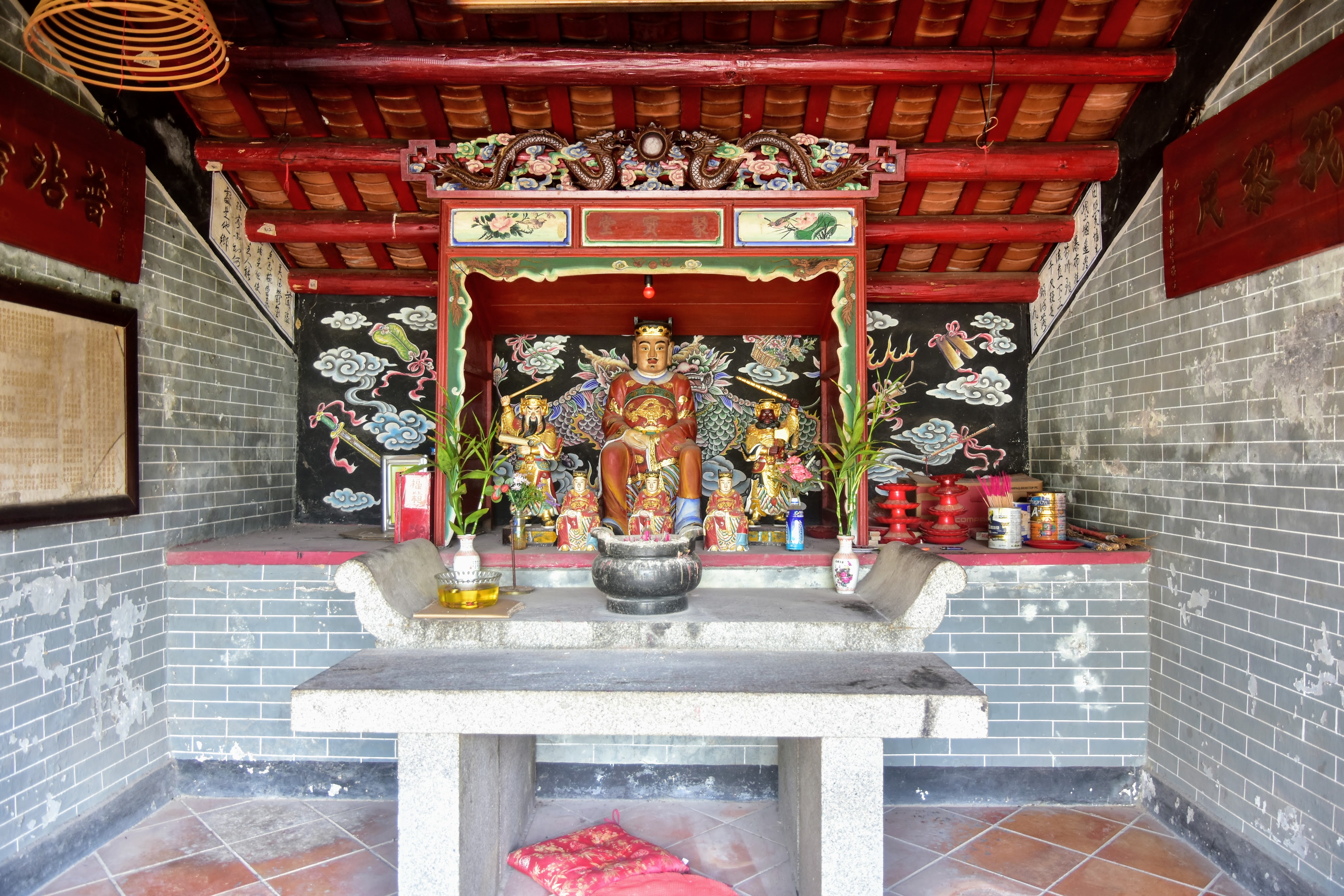
Hong Kong, a remarkable metropolis in Asia, boasts a size that is marginally larger than Singapore yet smaller than Greater London. Prior to the era of British colonial rule, Hong Kong was a bucolic region of China, with its inhabitants primarily engaged in fishing and farming.
The transformation of Hong Kong began with the signing of three pivotal treaties in 1842, 1860, and 1898. These agreements led to the establishment of Hong Kong’s three main regions: Hong Kong Island, Kowloon, and the New Territories. From this point forward, the narrative of Hong Kong took a fascinating turn.
At the onset of the colonial period, Hong Kong was home to a modest population of about 7,000 individuals. As the city began to take shape and evolve, its population experienced a dramatic increase, reaching a staggering 7.5 million in the present day. The journey of Hong Kong’s development has been marked by a myriad of trials and triumphs, failures and successes.
Despite the challenges, the resilience and tenacity of its people have been the bedrock of Hong Kong’s progress. Their collective efforts, symbolized by the metaphor of ‘blood and sand’, have propelled Hong Kong to its current status as one of the most influential cities in Asia. This vibrant city stands as a testament to the indomitable spirit of its people and their unwavering commitment to shaping a prosperous future.
Hong Kong’s history before World War II:
- From the Old Stone Age to the Qin Dynasty (221 BC): The area now known as Hong Kong was inhabited as far back as the Old Stone Age. It eventually became a part of the Chinese Empire, loosely incorporated into the Qin dynasty.
- First Opium War (1839-1842): The First Opium War began in 1839 when the Qing dynasty, which was ruling China at the time, opposed the illegal opium trade. The British occupied Hong Kong in 1841, and the war ended with the Treaty of Nanking in 1842. As a result of this treaty, Hong Kong was ceded to the United Kingdom.
- Colonial Hong Kong era (1841 – 1930s): Following the cession, Hong Kong became a crown colony of the British Empire. Over the years, the colony saw an influx of Chinese migrants who were escaping domestic upheavals.
- Convention of Peking (1860): After the Second Opium War, the Qing Empire was forced to cede Kowloon to Britain in 1860.
- Lease of the New Territories (1898): In 1898, China leased the New Territories, along with 235 islands, to Britain for 99 years starting from July 1, 1898.
- Sino-Japanese War (1937): The outbreak of the Sino-Japanese War saw Hong Kong become a haven for thousands of mainland Chinese who were fleeing from the advancing Japanese.
Throughout this period, Hong Kong underwent a transformation from a farming fishing village and salt production site into a significant free port.
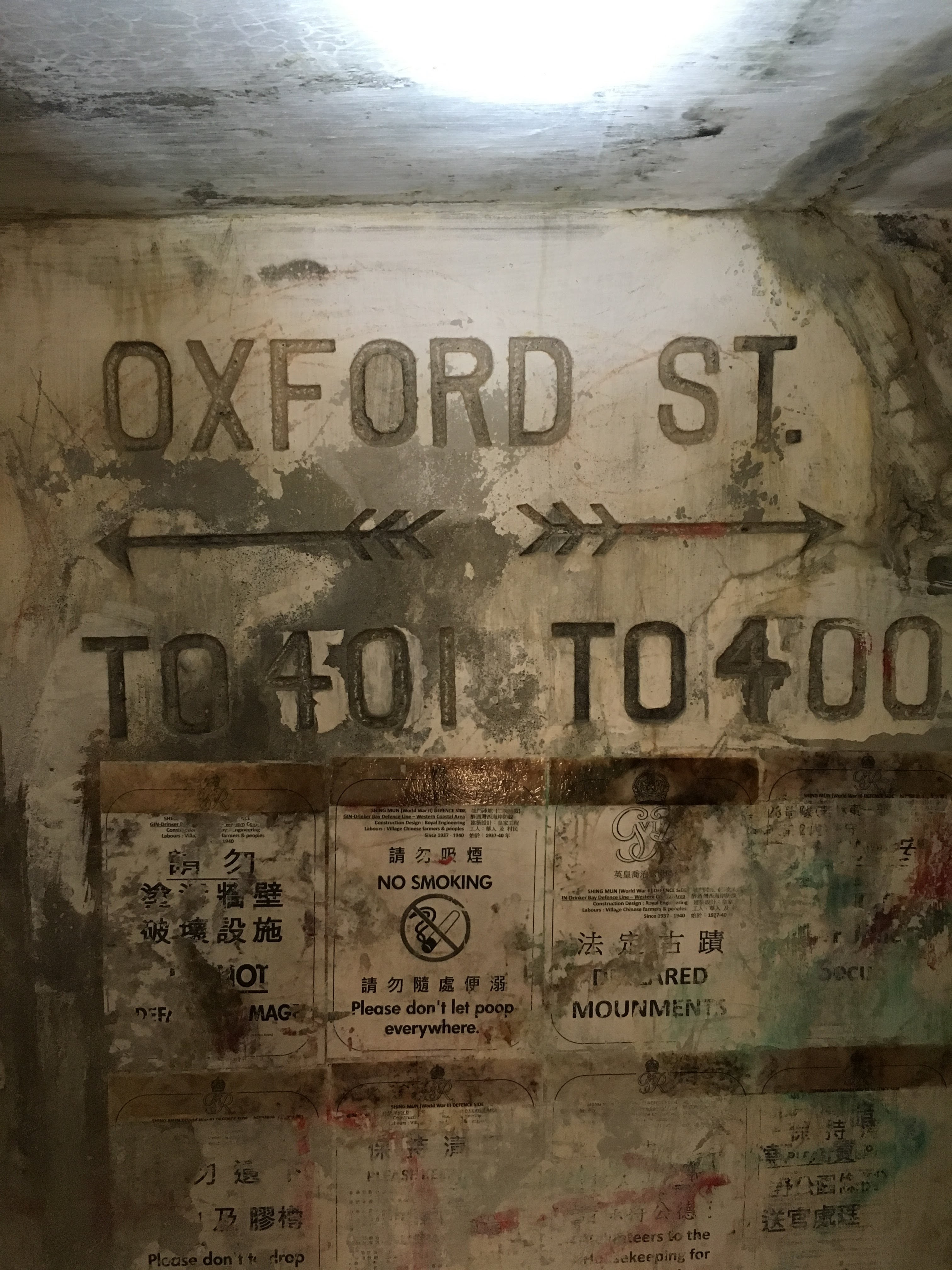
Hong Kong’s history after World War II:
- Japanese Occupation (1941-1945): During World War II, Hong Kong fell under the control of Japan. The British governor of Hong Kong at the time, Mark Aitchison Young, surrendered the city to the Japanese Imperial Army, marking the beginning of a period of occupation.
- Post-War Period (1945-1950s): After the war ended, British troops returned to Hong Kong on August 30, 1945, and civil government was reestablished by May 1946. The city saw a significant population increase during this period as refugees from Mainland China sought sanctuary in Hong Kong, particularly during the Korean War and the Great Leap Forward.
- Industrial Transformation (1950s): The 1950s marked a period of transformation for Hong Kong as it shifted from a territory focused on entrepôt trade to one centered on industry and manufacturing. The Chinese economic reform later prompted many manufacturers to relocate to China, leading to the development of Hong Kong’s commercial and financial industry.
- Sino-British Joint Declaration (1984): In 1984, British Prime Minister Margaret Thatcher signed the Sino-British Joint Declaration, which led to a wave of emigration from Hong Kong.
- Handover to China (1997): On July 1, 1997, Hong Kong was returned to Chinese rule in an event known as the Handover of Hong Kong. Following the handover, the city adopted the Hong Kong Basic Law.
- 21st Century: In the 21st century, Hong Kong has continued to prosper as a financial center. However, the city has also faced challenges such as civil unrest, dissatisfaction with the government, and concerns over Chinese influence.
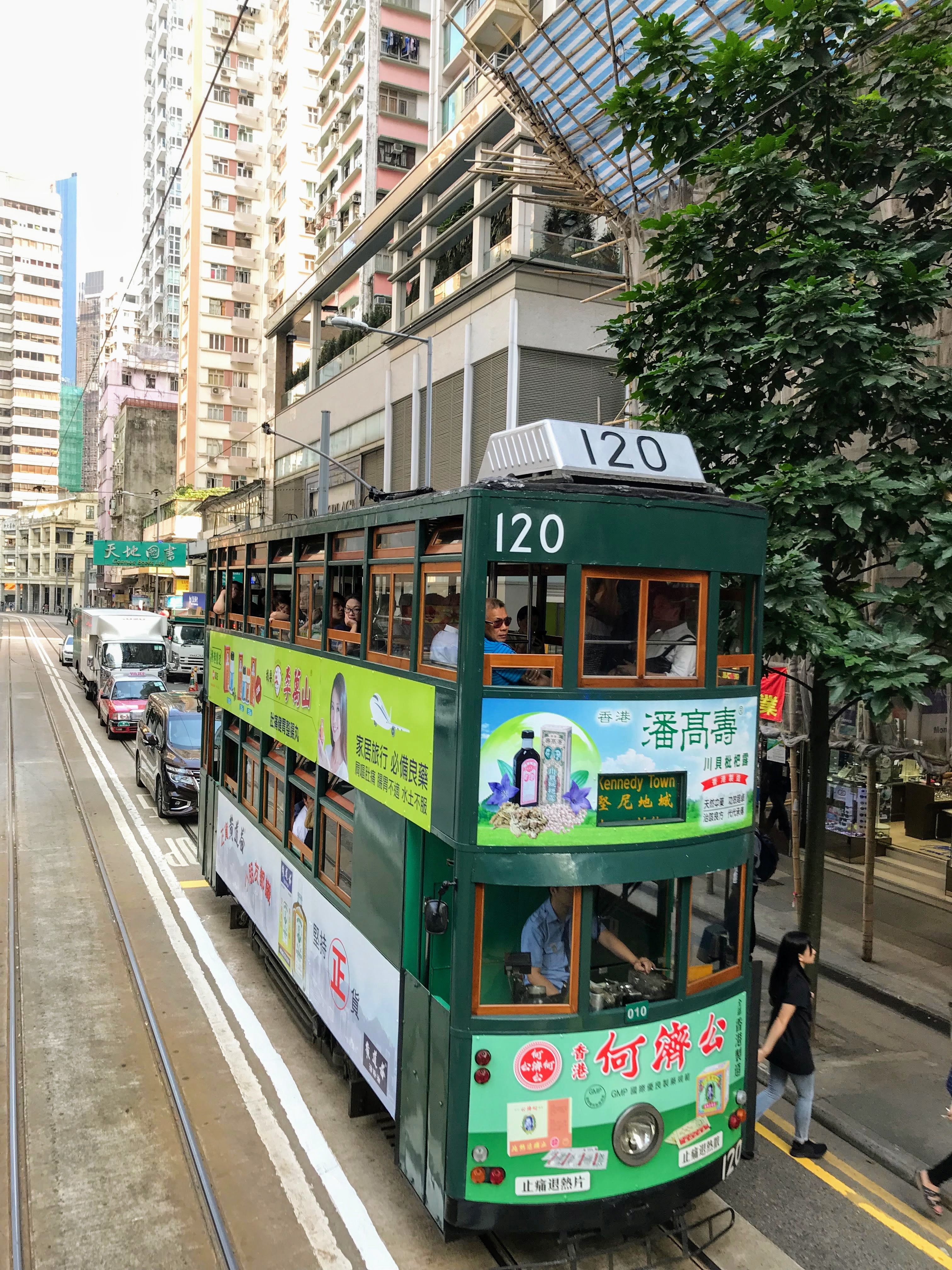
Throughout these years, Hong Kong has evolved from a territory focused on industry and manufacturing to a major international financial center.
CLIMATE & SEASONS
Hong Kong is characterized by a subtropical forest climate. In the absence of human intervention, the region would be blanketed entirely by a lush, dense, and species-rich evergreen forest.
From September to May each year, the winds predominantly blow from the northeast. For the remainder of the year, specifically from June to August, the winds shift to the southwest, a clear indication of the monsoon season.
Hong Kong’s rainy season can be broadly categorized into two phases. From March to June, the city experiences drizzles and rain showers. From July to October, much of the rainfall, which can escalate to rainstorms, is due to tropical cyclones. The tropical cyclone season can commence as early as April and extend until December. The peak of this season is typically around July to September, during which the tropical cyclone signal number one or higher is usually in effect for an average of four to five days each month.
Hong Kong, is a city that enjoys a subtropical climate and experiences four distinct seasons:
Spring (March-May): Spring in Hong Kong is a relatively brief season, encompassing only the months of March and April. During this period, the city witnesses a significant surge in rainfall, with precipitation levels reaching up to 200 mm. Concurrently, the temperature starts to climb, often hitting a high of around 25 degrees Celsius. This combination of warming temperatures and increased rainfall heralds the arrival of a vibrant spring, breathing new life into the city after the cooler winter months.

Summer (June-August): The summer season in Hong Kong is characterized by its high temperatures and humidity, with the mercury typically hovering between 26 and 30 degrees Celsius. This is also the time when the city is prone to occasional typhoons, a meteorological phenomenon that can bring heavy rains and strong winds. In particular, the month of June sees a substantial amount of rainfall, with totals nearing an impressive 18 inches. Despite the high humidity and occasional typhoons, summer in Hong Kong is a time of vibrant activity, with the city’s many beaches and outdoor attractions drawing both locals and tourists alike.
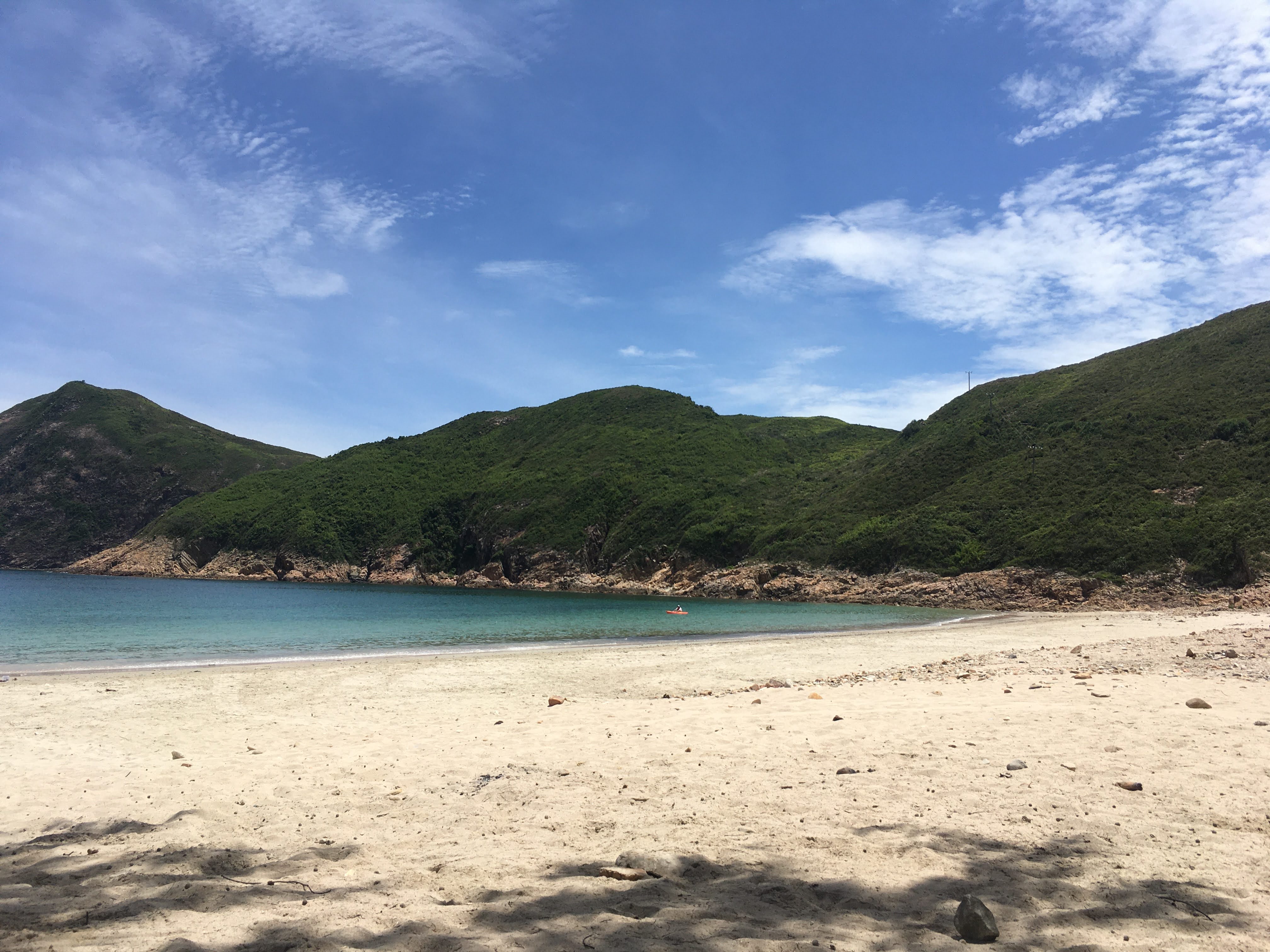
Autumn (September-November): Autumn is often considered the most pleasant time to visit Hong Kong. During these months, the humidity levels drop, and the temperatures are comfortably warm, creating an ideal climate for exploring the city. The skies during this season are often clear and bright, offering stunning views of Hong Kong’s iconic skyline. Whether it’s hiking in the city’s many nature trails or exploring its bustling urban areas, autumn provides the perfect weather conditions for outdoor activities.
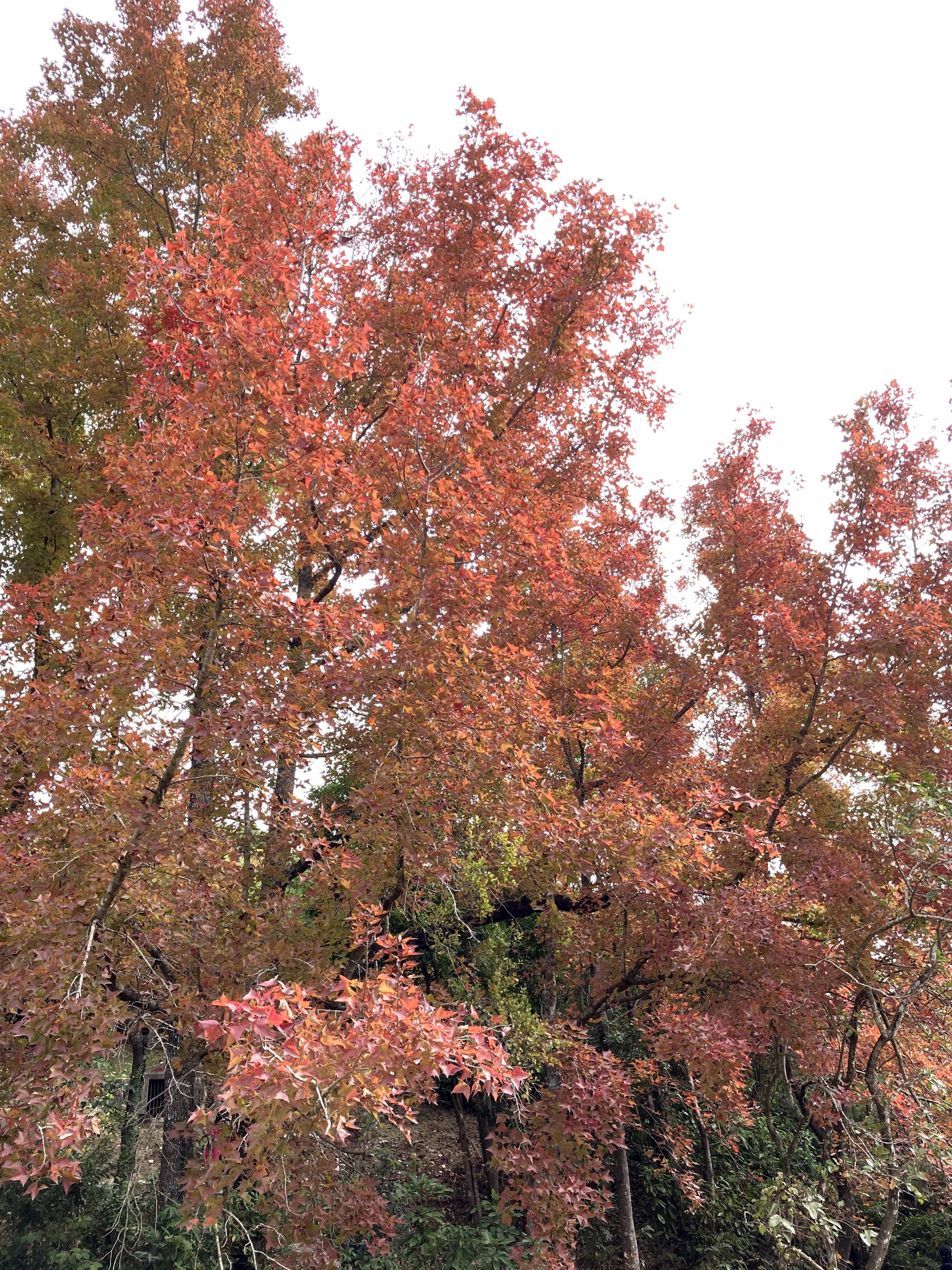
Winter (December-February): Winter in Hong Kong brings cooler temperatures, with averages around 20 degrees Celsius (68 degrees Fahrenheit). The weather during this season is generally sunny, although it can become cloudier as the season progresses. Despite the cooler temperatures, winter in Hong Kong is relatively mild compared to many other regions, making it a comfortable time for sightseeing and other activities.
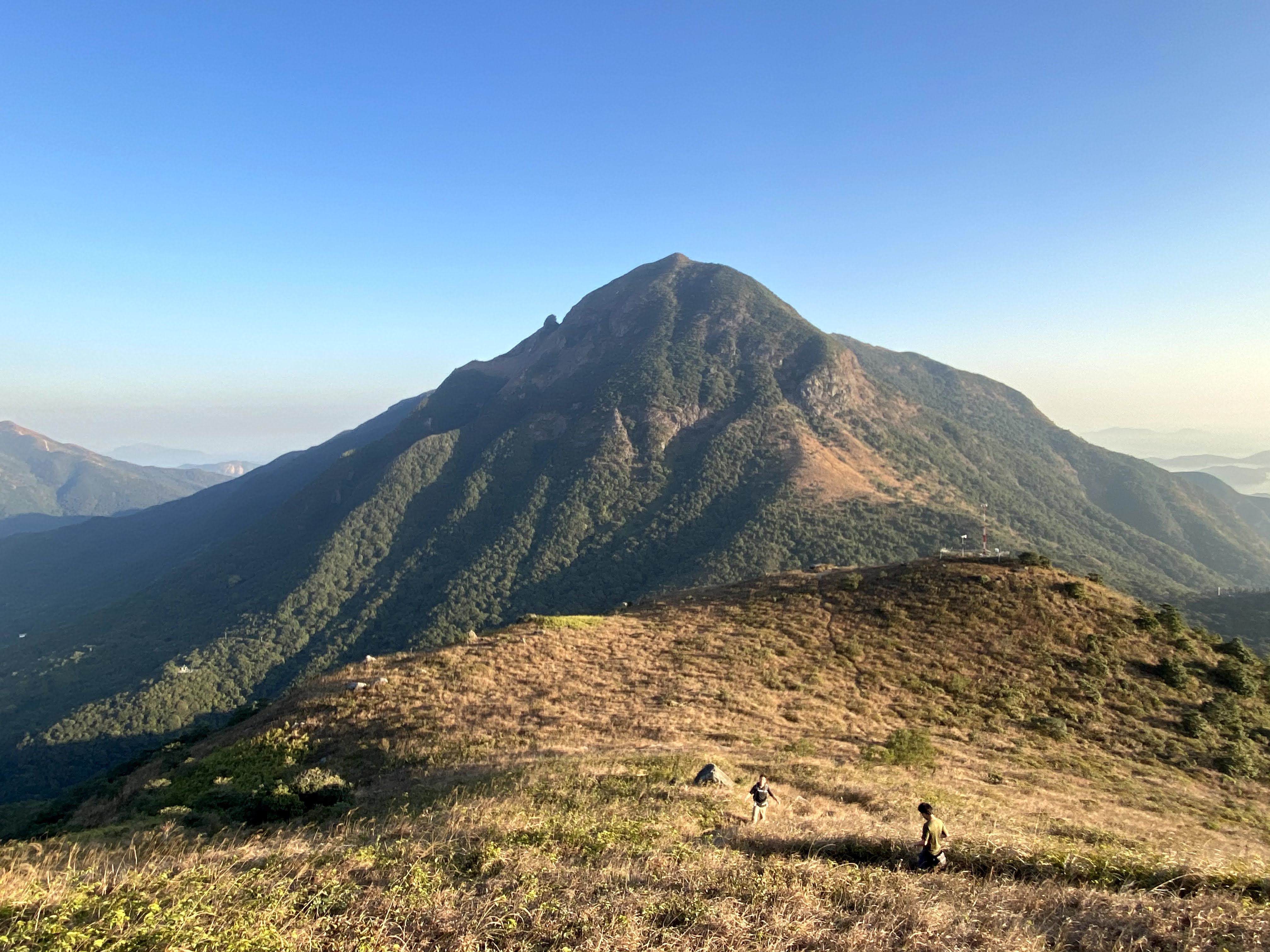
Hong Kong’s climate is overall quite mild, making it a suitable destination for travel throughout the year. However, it’s worth noting that the city’s weather can be quite changeable, with sunshine quickly giving way to rain. Therefore, when planning your activities in Hong Kong, it’s always a good idea to be prepared for sudden shifts in weather. Whether you’re visiting the city’s world-class shopping malls, exploring its historic sites, or sampling its renowned culinary scene, Hong Kong offers a wealth of experiences that can be enjoyed in any weather.
WATER RESOURCES
Water, the lifeblood of our planet, is a fundamental necessity for all living organisms. In the bustling metropolis of Hong Kong, this essential resource takes on an even greater significance. The city boasts the highest number of water reservoirs globally, a testament to its commitment to ensuring a steady and reliable water supply.
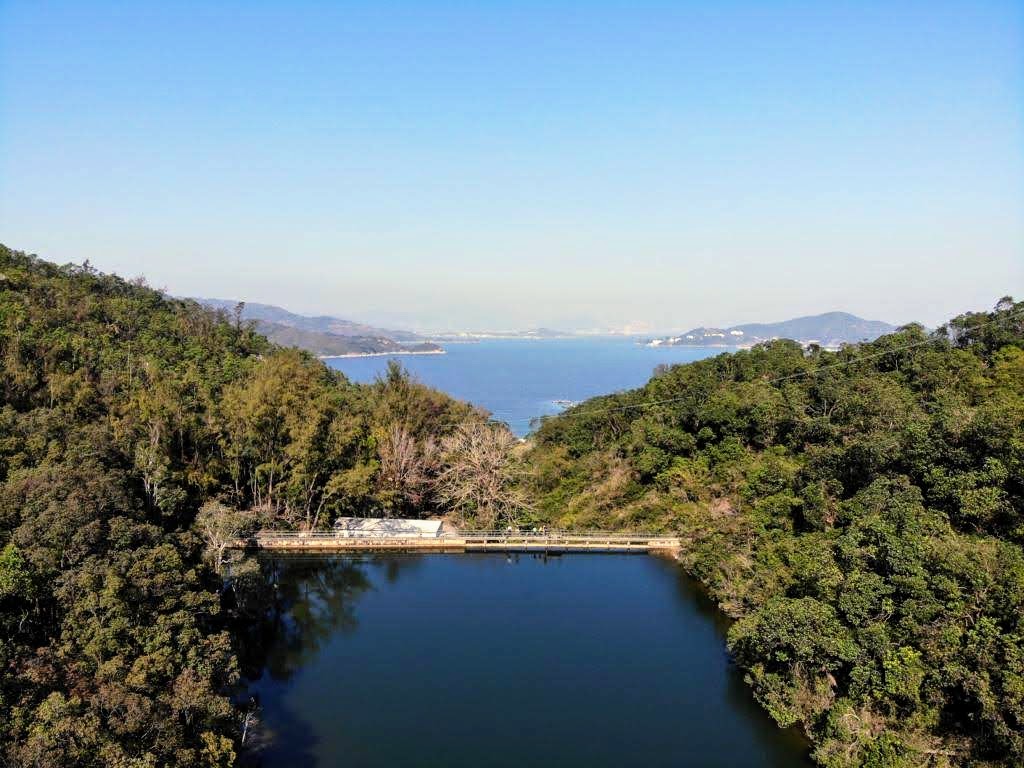
With a thriving population of 7.5 million residents, coupled with a daily influx of over 10,000 visitors, the demand for clean, potable water is immense. The city’s water supply system is not just a functional necessity, but a critical infrastructure that supports the vibrant life and bustling activities of this dynamic city.
To meet this substantial demand, Hong Kong has developed a comprehensive, three-pronged water supply system. This system is ingeniously designed to maximize the use of available resources and ensure a consistent water supply.
The first component of this system is rainwater collected from local catchments. This natural source of water, replenished by the city’s rainfall, accounts for 21% of the total water consumption.
The second component is imported water from Dongjiang in Guangdong. This external source provides a significant portion of the city’s water needs, accounting for 57% of the total water consumption.
The third and final component is seawater, which is used for toilet flushing. This innovative approach to water conservation allows the city to save on its freshwater resources, with seawater accounting for 22% of the total water consumption.
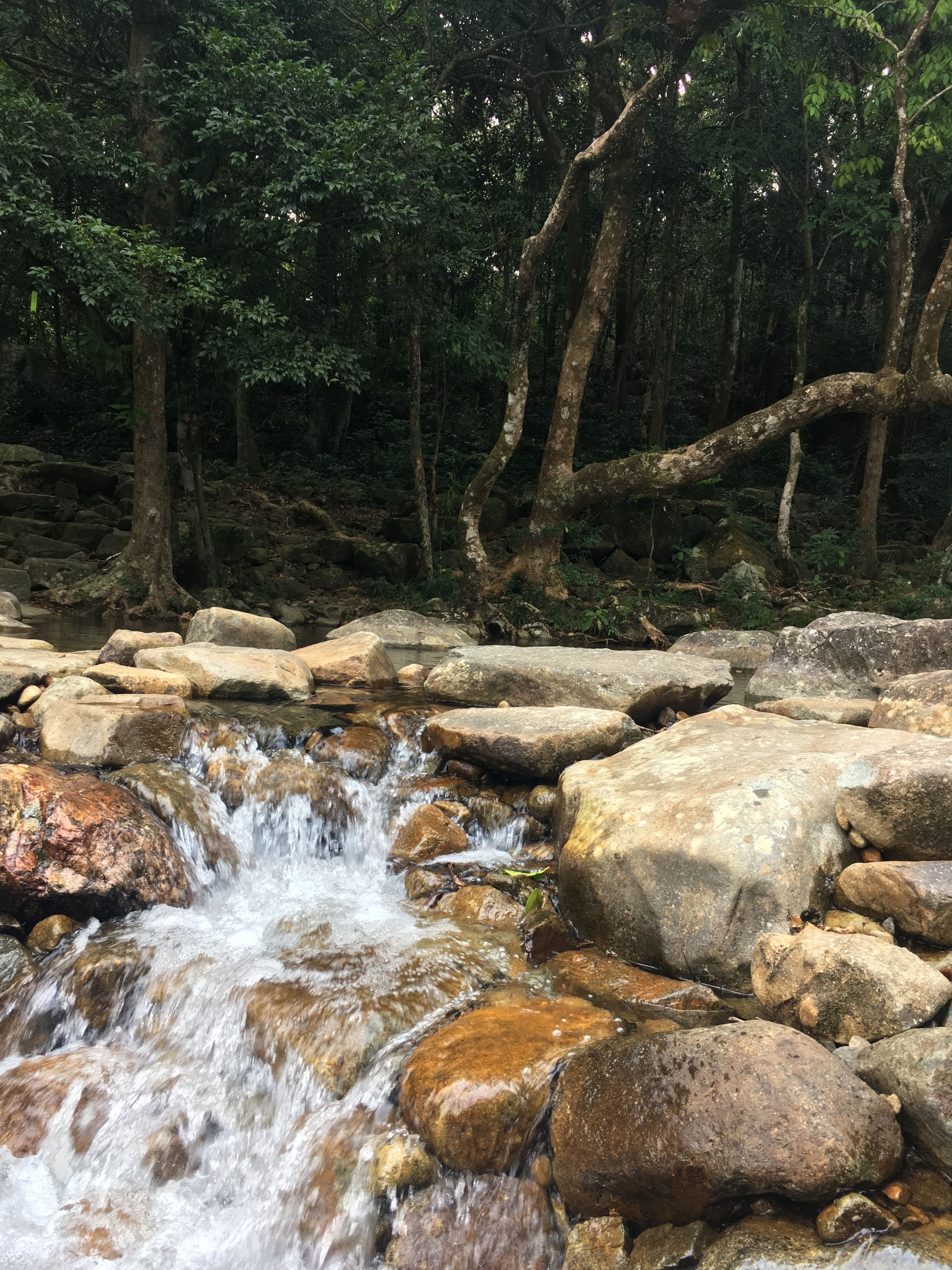
In 2018, these three sources combined to meet the city’s total water consumption of 1,292 million cubic meters. Thanks to this robust and efficient water supply system, Hong Kong has been able to enjoy a reliable water supply over the years, supporting the city’s growth and the well-being of its residents. This system is a shining example of how a city can effectively manage its resources to meet the needs of its population and visitors. It underscores the importance of water management in sustaining life and civilization in our modern world.
PLANTS & ANIMALS
Hong Kong, often recognized for its dense urban landscape, surprisingly also encompasses hundreds of square kilometers of diverse natural terrain. This includes rugged coastlines, majestic mountain ranges, and expansive country parks. Given this rich natural environment, it’s no wonder that Hong Kong is a sanctuary for a wide array of wildlife.
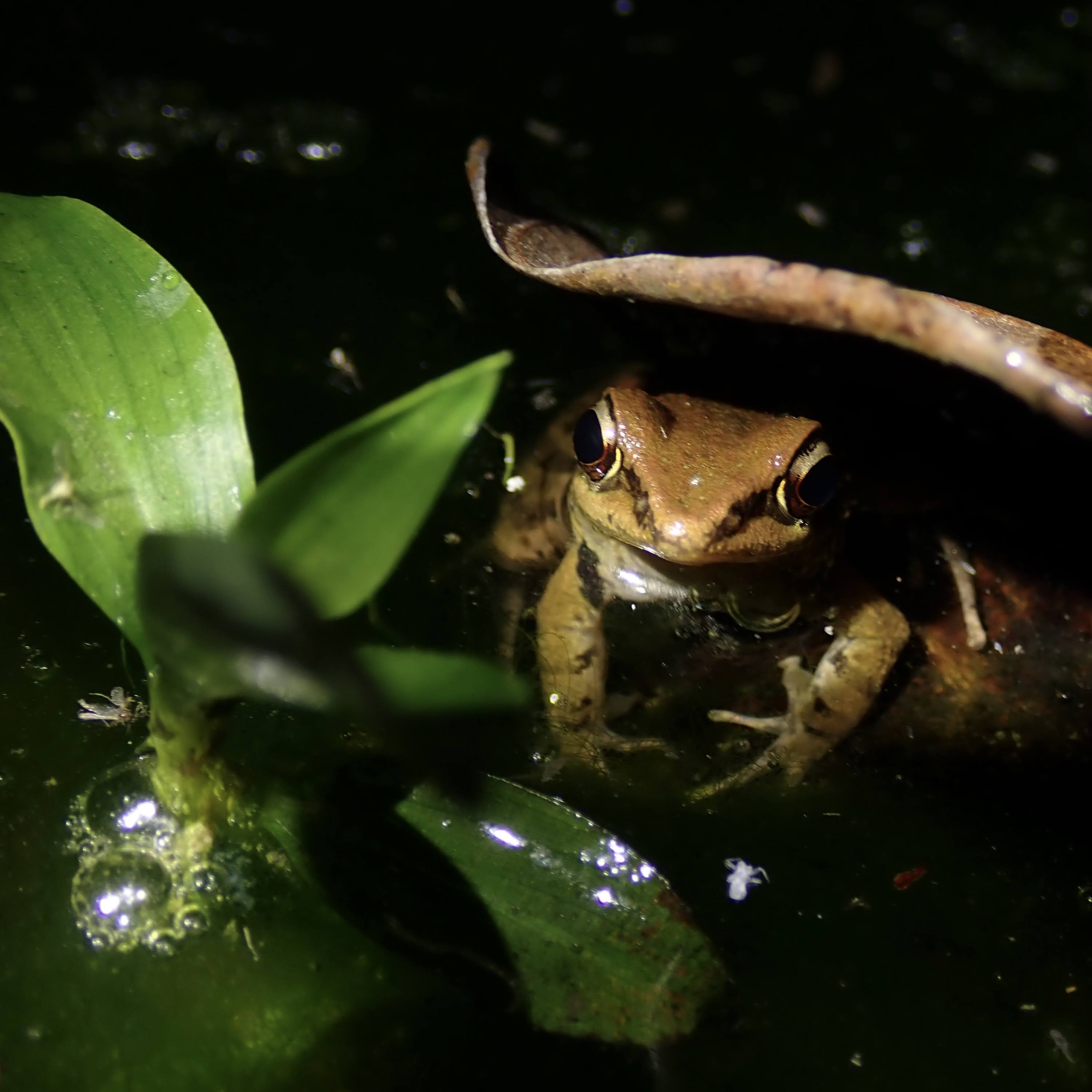
Situated at the crossroads of the tropics and the temperate region, Hong Kong’s biodiversity is remarkably high for such a compact area. This unique geographical positioning allows the city to host a greater variety of species than typically found in similar-sized regions.
Hong Kong, often recognized as a bustling metropolis, is also a treasure trove of biodiversity. The city boasts a rich array of flora and fauna, making it a paradise for nature enthusiasts. It’s a veritable Eden, with almost 3,000 species of flowering plants adding a riot of colors to the landscape. These vibrant blooms provide a stark contrast to the city’s urban skyline.
The city is also home to 55 species of terrestrial mammals. From small rodents scurrying in the undergrowth to larger mammals like the elusive Chinese Leopard Cat, there’s always something fascinating to spot for wildlife lovers. This diverse mammalian life thrives amidst the hustle and bustle of the metropolis, providing a glimpse into the city’s vibrant ecosystem.
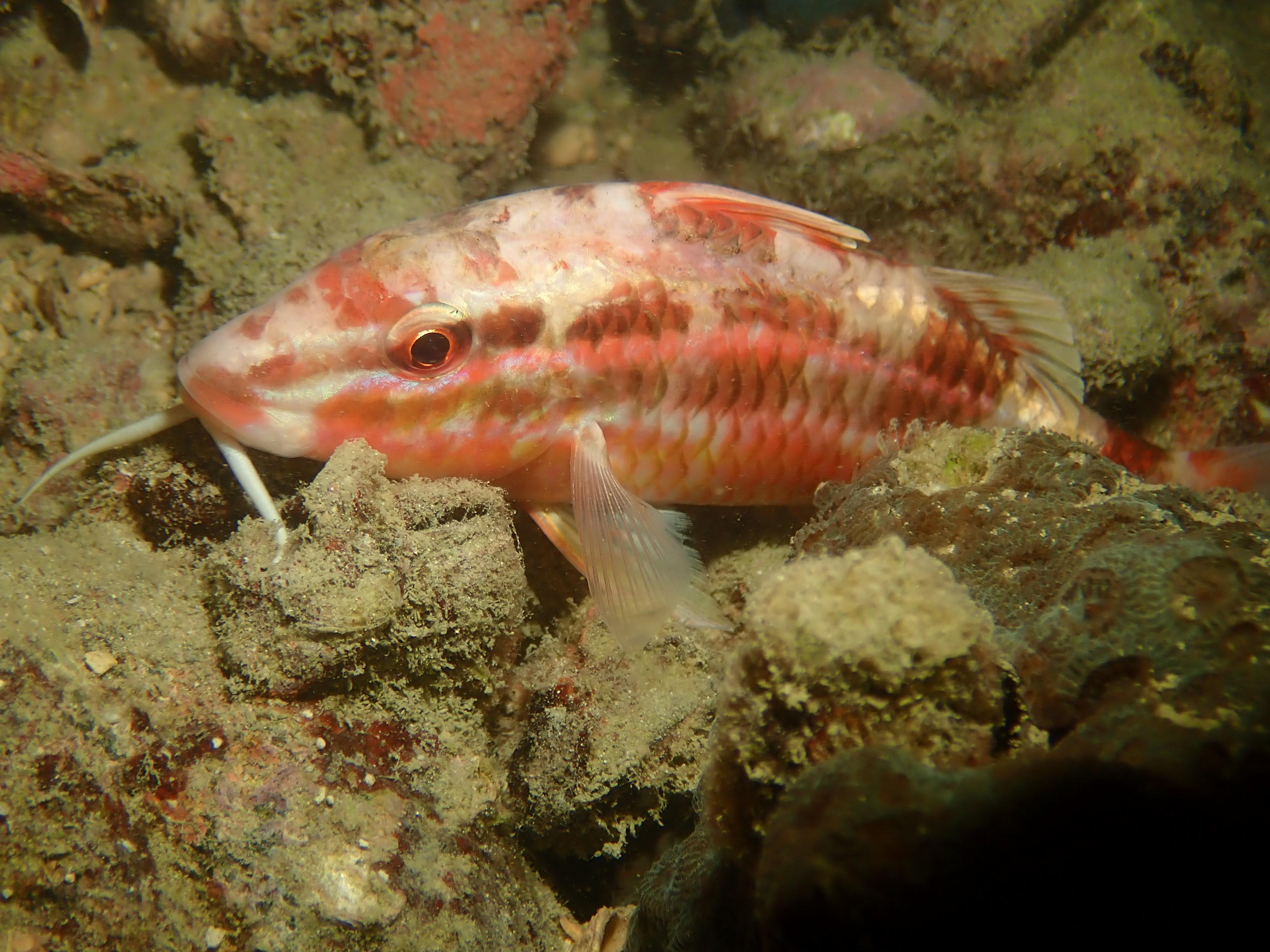
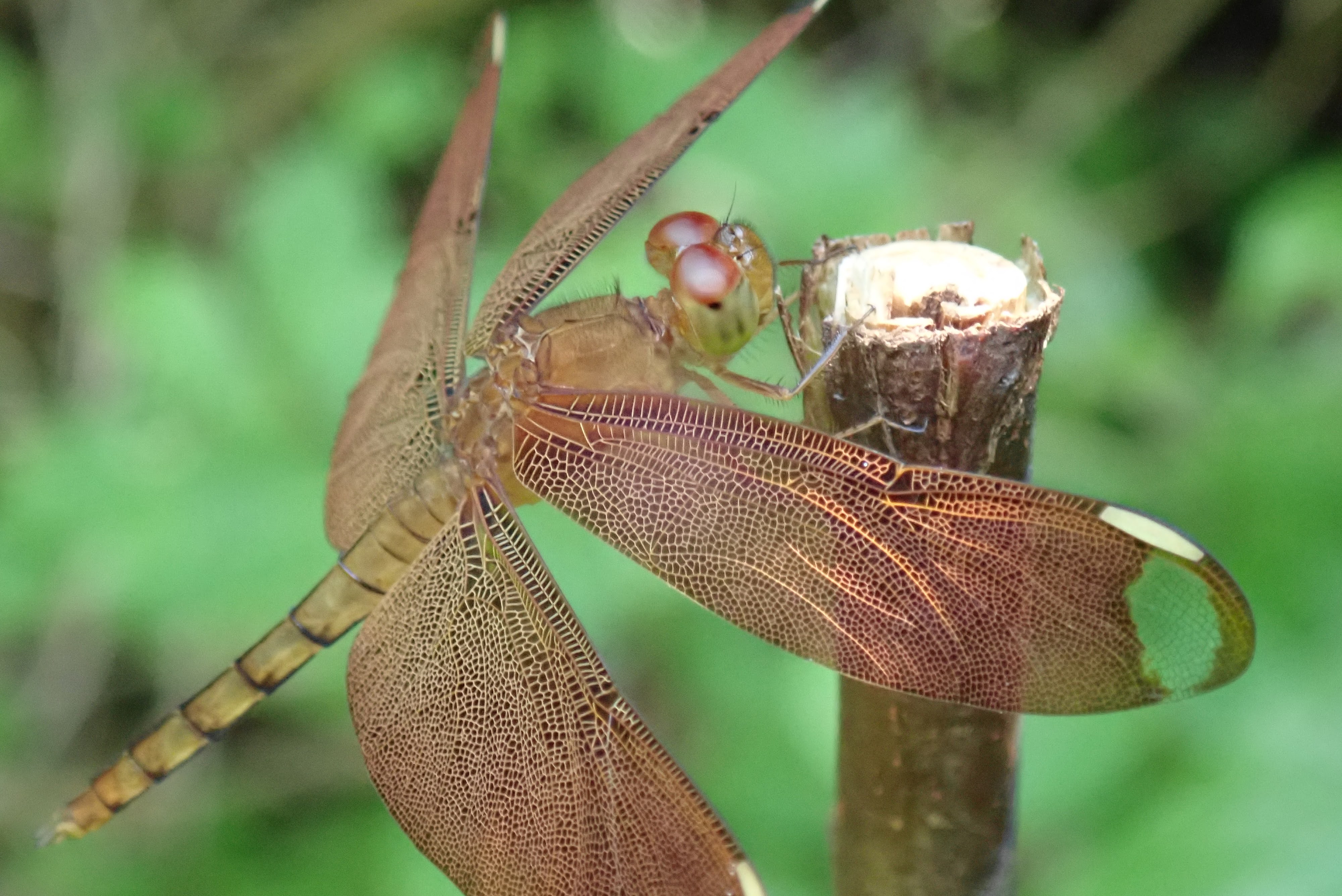
Hong Kong’s ecological richness doesn’t stop there. The city is home to over 100 species of amphibians and reptiles, 200 species of freshwater fish, 128 types of dragonflies, and 245 butterfly species. Each of these creatures plays a crucial role in maintaining the city’s ecological balance, contributing to the rich tapestry of life that flourishes here.
For birdwatchers, Hong Kong is particularly enticing. With over 550 species recorded, the city is a bird lover’s paradise. It boasts an impressive one-third of the total bird species found in China. From common city dwellers to rare migratory species, the city offers a symphony of bird songs and a kaleidoscope of avian life.
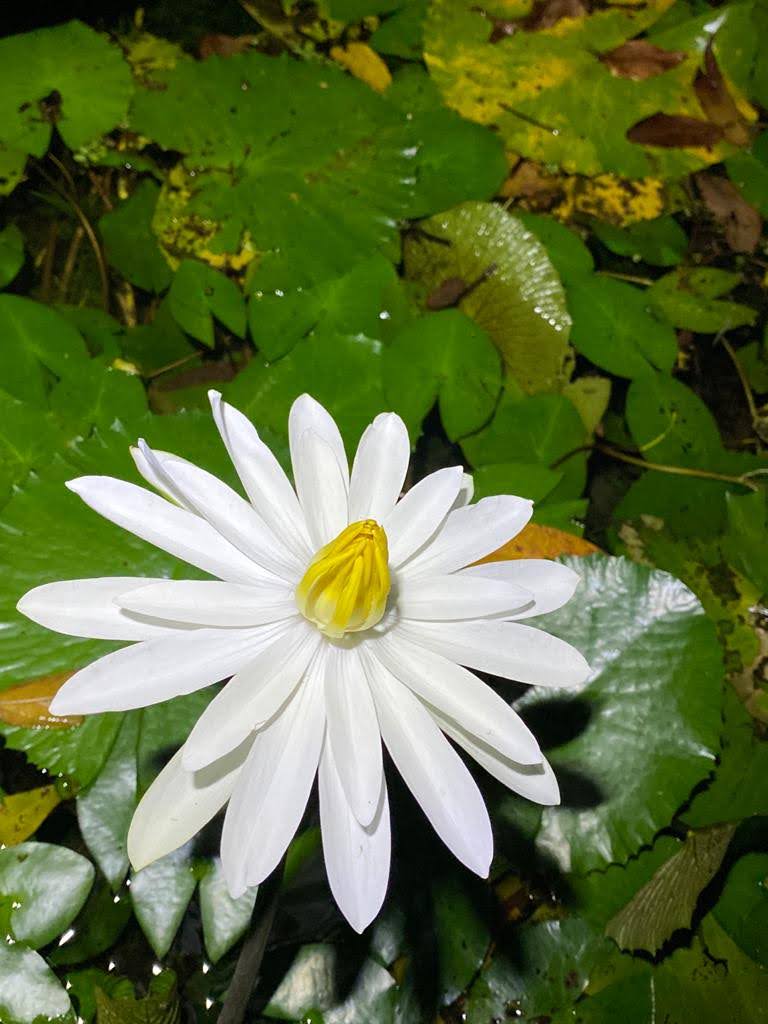
In summary, beneath the towering skyscrapers and amidst the urban hustle and bustle, Hong Kong nurtures a thriving natural world. Its impressive biodiversity is a testament to the city’s commitment to preserving its natural heritage, offering a refreshing contrast to its urban persona. This rich biodiversity not only enhances the city’s natural beauty but also plays a vital role in maintaining the ecological balance and health of the environment.
CONSERVATION EFFORT
Hong Kong, a globally recognized metropolis, surprisingly devotes about three-quarters of its total land area of 1,106 square kilometers to the countryside. This juxtaposition of urban development and natural beauty is one of the city’s unique features.

The scenic offerings of Hong Kong are incredibly diverse and abundant. The landscape transitions dramatically from sandy beaches and rocky foreshores to towering heights of almost 1,000 meters. The city is home to lush woodlands and expansive mountain ranges blanketed by open grassland. These varied terrains provide a multitude of scenic vistas that are rarely matched in such a compact geographical area. For instance, the panoramic view from Victoria Peak, the highest point on Hong Kong Island, offers a breathtaking vista of the city and its surrounding waters.
Hong Kong has designated a total of 24 country parks for nature conservation, countryside recreation, and outdoor education. These parks, along with special areas, cover a total area of 443 square kilometers, which is about 40% of Hong Kong’s total land area. These country parks are scattered throughout Hong Kong and feature scenic hills, dense woodlands, tranquil reservoirs, and picturesque coastlines. For example, the Sai Kung East Country Park is known for its stunning coastal scenery, while the Tai Mo Shan Country Park, home to the highest peak in Hong Kong, offers spectacular mountain views.
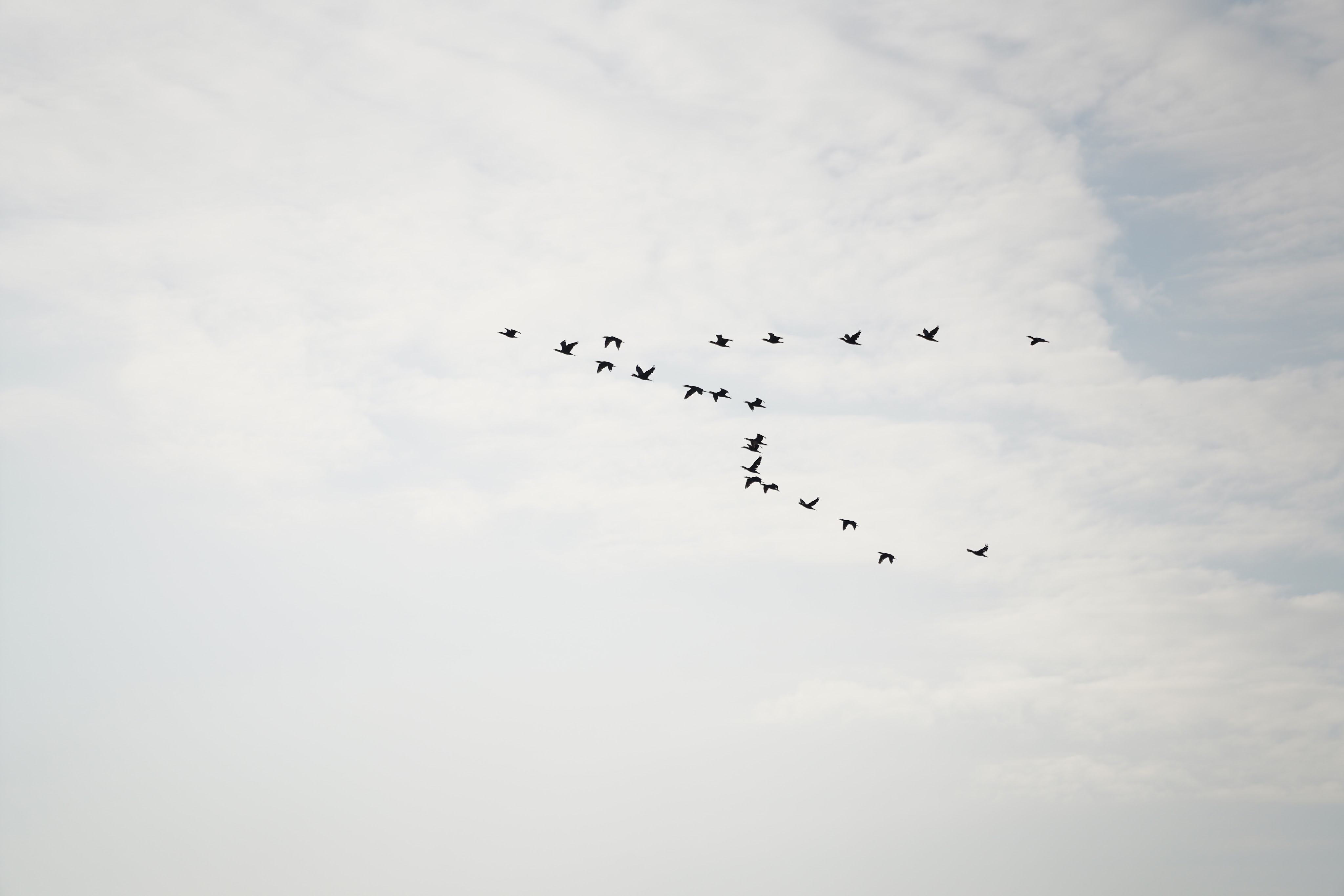
In addition to the country parks, there are 22 special areas primarily created for nature conservation. These areas serve as sanctuaries for a variety of flora and fauna, preserving the city’s rich biodiversity. An example is the Mai Po Nature Reserve, a wetland ecosystem that serves as a crucial stopover point for migratory birds.
In summary, despite its reputation as a bustling metropolis, Hong Kong has made significant efforts to preserve its natural landscapes and biodiversity. The city’s commitment to maintaining a balance between urban development and environmental conservation is evident in its extensive network of country parks and special areas. These natural spaces not only contribute to the city’s scenic beauty but also provide valuable recreational and educational opportunities for both residents and visitors.
Whether you’re a nature lover, a history enthusiast, or a geology buff, Hong Kong promises an unforgettable adventure. Its impressive array of biodiversity not only enhances the city’s natural beauty but also underscores its commitment to preserving its unique ecosystems. So, while you’re exploring the city’s urban attractions, don’t forget to take some time to appreciate its natural wonders. It’s all part of the unique charm of Hong Kong.
 Eco Adventure Hong Kong